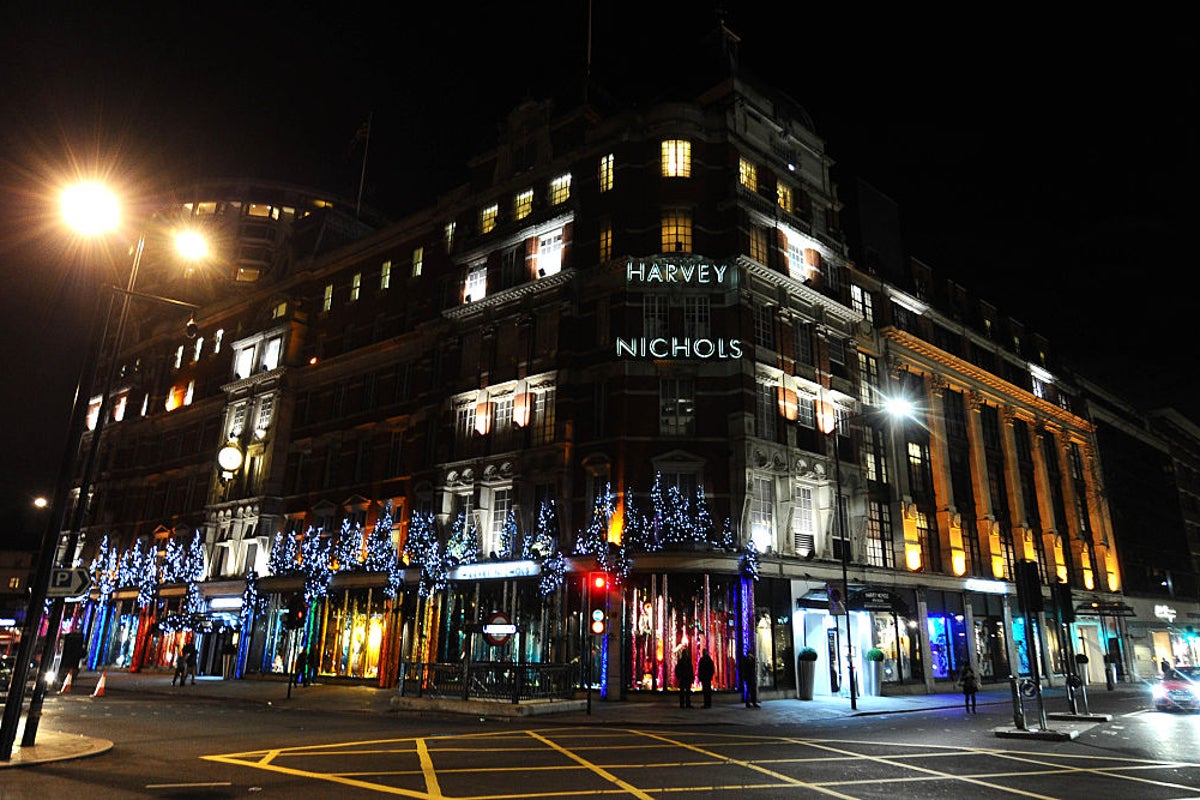
Harvey Nichols is back in the spotlight as the famous London department store is reportedly being put up for sale, prompting renewed interest in how it became one of Britain's most recognizable names in fashion. The story is being revisited through the perspective of someone who worked there during its most successful years, when the store helped define a certain kind of luxury shopping in the capital.
Part of its wider appeal came from timing as much as merchandising. In the 1990s, Harvey Nichols became closely linked with a glamorous, image-conscious era of British style, and its profile was boosted by frequent mentions in Absolutely Fabulous, one of the decade's best-known sitcoms. Those references helped turn the store into more than a retail destination, making it a shorthand for status, fashion and urban sophistication.
The department store's reputation also rested on the experience it offered. At its peak, Harvey Nichols represented a polished version of London fashion culture, combining designer labels, exclusivity and the sense that shopping there was part of a lifestyle rather than a simple transaction. That mix helped it stand apart in a crowded retail market and gave it lasting cultural weight.
Now, with the business reportedly on the market, attention is shifting from its past influence to its future. Even so, the current moment underlines how deeply Harvey Nichols is woven into modern British fashion history, not just as a store, but as a symbol of a period when retail, media and celebrity culture all reinforced its iconic status.