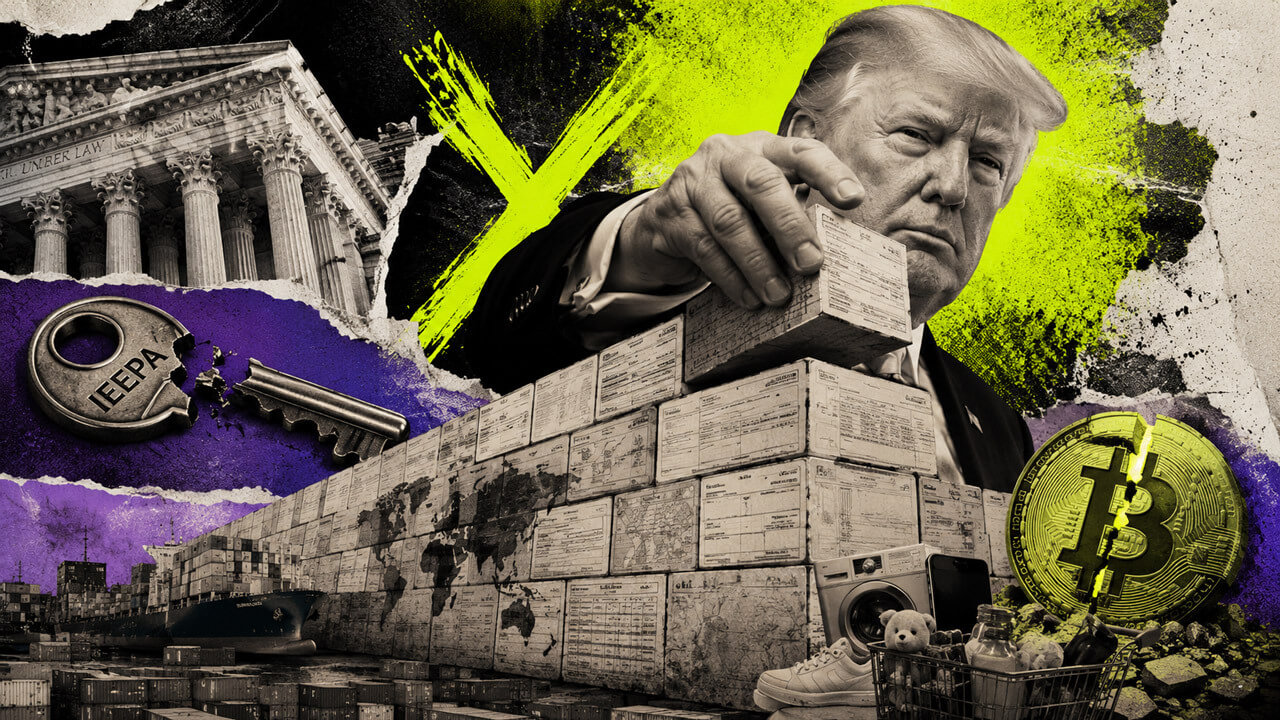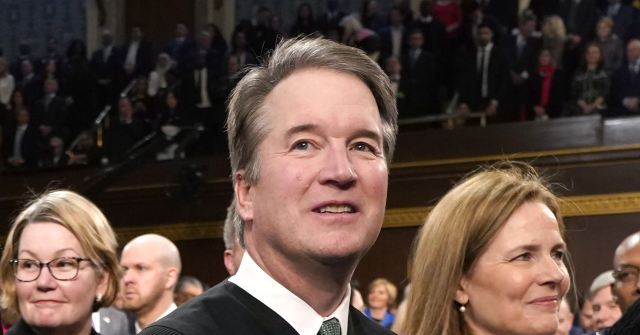
President Donald Trump’s new tariffs on 60 countries are being linked to a legal approach discussed by Supreme Court Justice Brett Kavanaugh in a dissenting opinion earlier this year. The report says the new action, announced Thursday night, relies on one of the pathways Kavanaugh described after the court struck down Trump’s earlier “Liberation Day” tariffs in February.
That connection matters because it suggests the latest tariff move was designed with the court’s prior ruling in mind. While the Supreme Court rejected the earlier tariff effort, Kavanaugh’s dissent appears to have pointed to another method the administration could use, and the new policy is described as following that route.
The development places Trump’s trade agenda back at the center of both legal and political debate. Tariffs affecting 60 countries would represent a broad use of presidential trade power, and any shift in the legal basis for those duties is likely to draw close scrutiny from courts, businesses, and foreign governments.
With only limited details available from the trimmed report, the main takeaway is that Trump’s latest tariff action is not simply a repeat of the measure the Supreme Court blocked. Instead, it appears to be an attempt to proceed under a different legal framework highlighted in Kavanaugh’s dissent, setting up a new phase in the fight over presidential tariff authority.