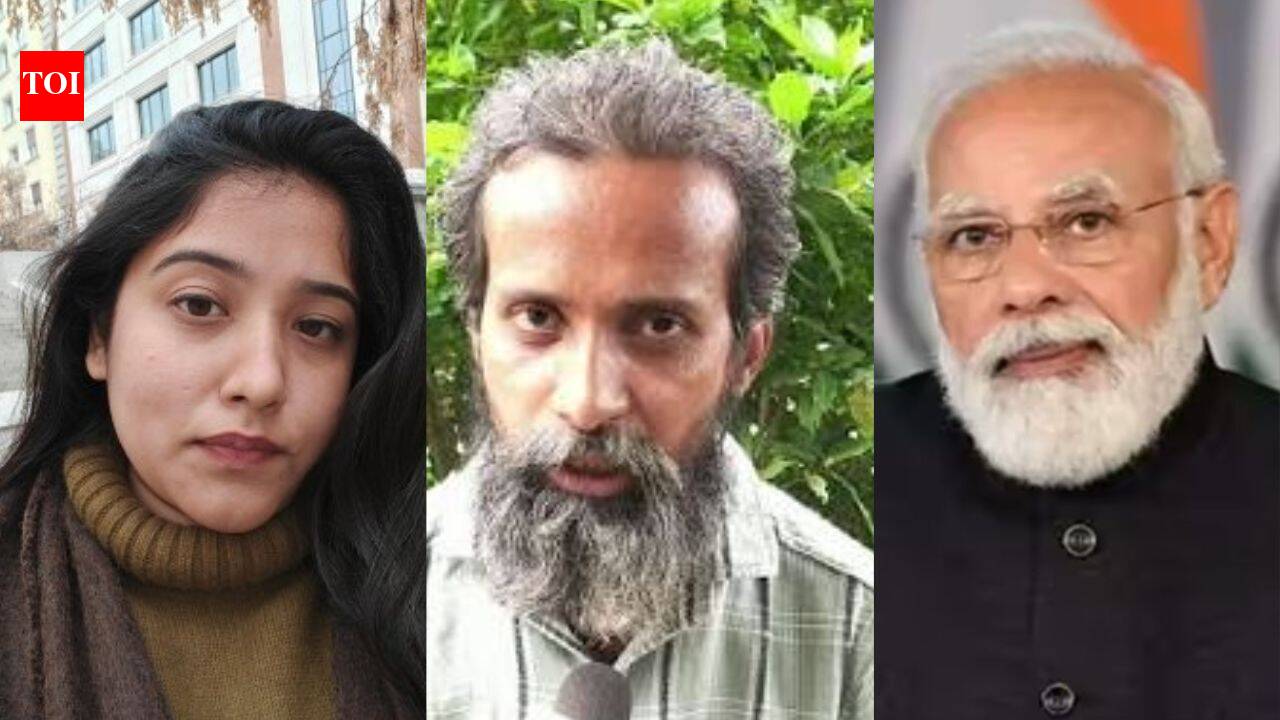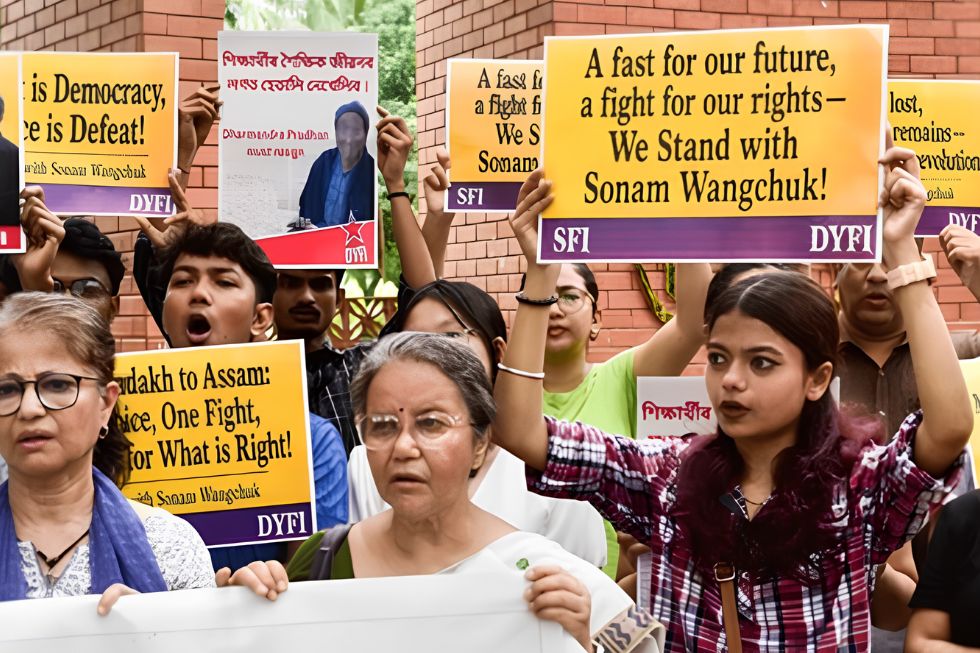
The newly formed Cockroach Janta Party, or CJP, is facing an early test of whether youthful momentum can become lasting political impact. The question gained urgency after environmentalist and education reform campaigner Sonam Wangchuk backed the party’s demands with a hunger strike that lasted more than 20 days.
According to the available details, Wangchuk, 59, was forcefully evacuated from the protest site on July 18. That development has pushed the CJP further into the spotlight and turned a relatively new campaign into a wider political story. His involvement also gave the movement a recognizable public face beyond its Gen Z support base.
The central issue now is whether attention generated by protest can translate into concrete results. Movements driven by younger supporters often gain energy quickly, especially when a dramatic event puts them in the national conversation. But sustaining that energy usually depends on whether organizers can turn public sympathy into pressure, structure and long-term relevance.
For CJP, Wangchuk’s hunger strike and removal from the protest site may prove to be a defining moment. It has amplified the party’s visibility, but it also raises a bigger question about endurance: whether a fresh, youth-backed political formation can move beyond symbolism and actually achieve what it set out to do.