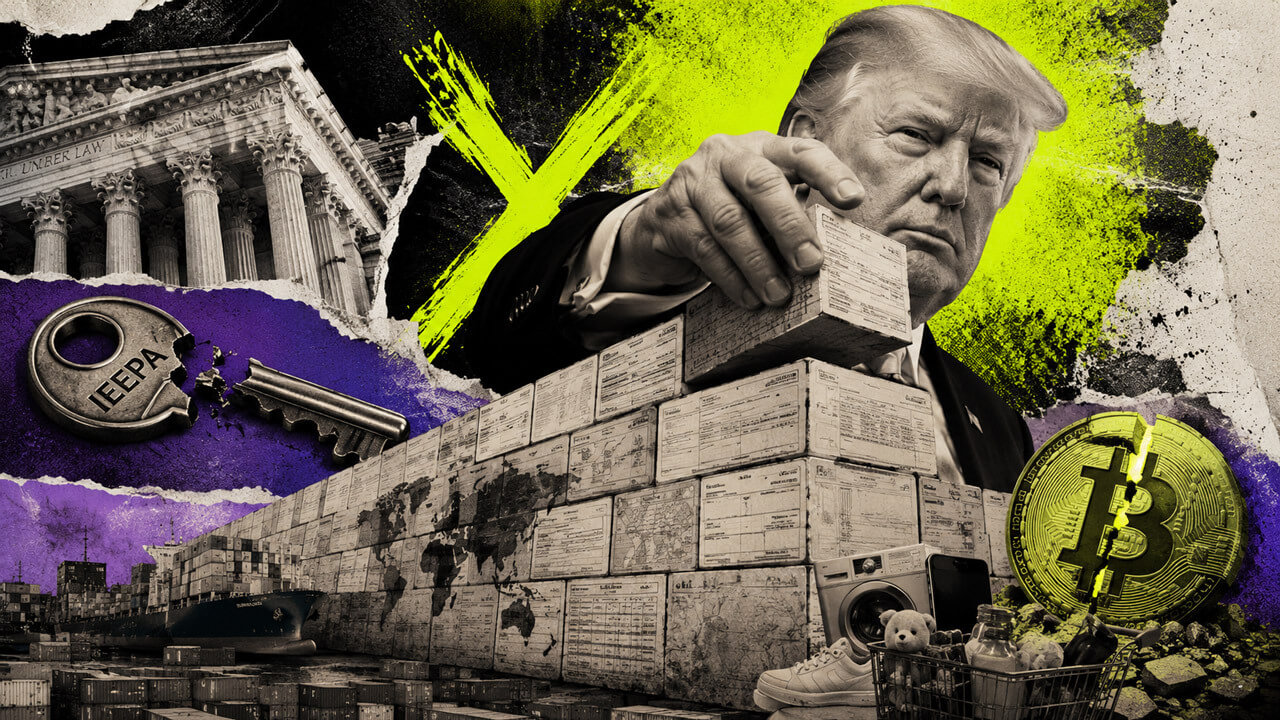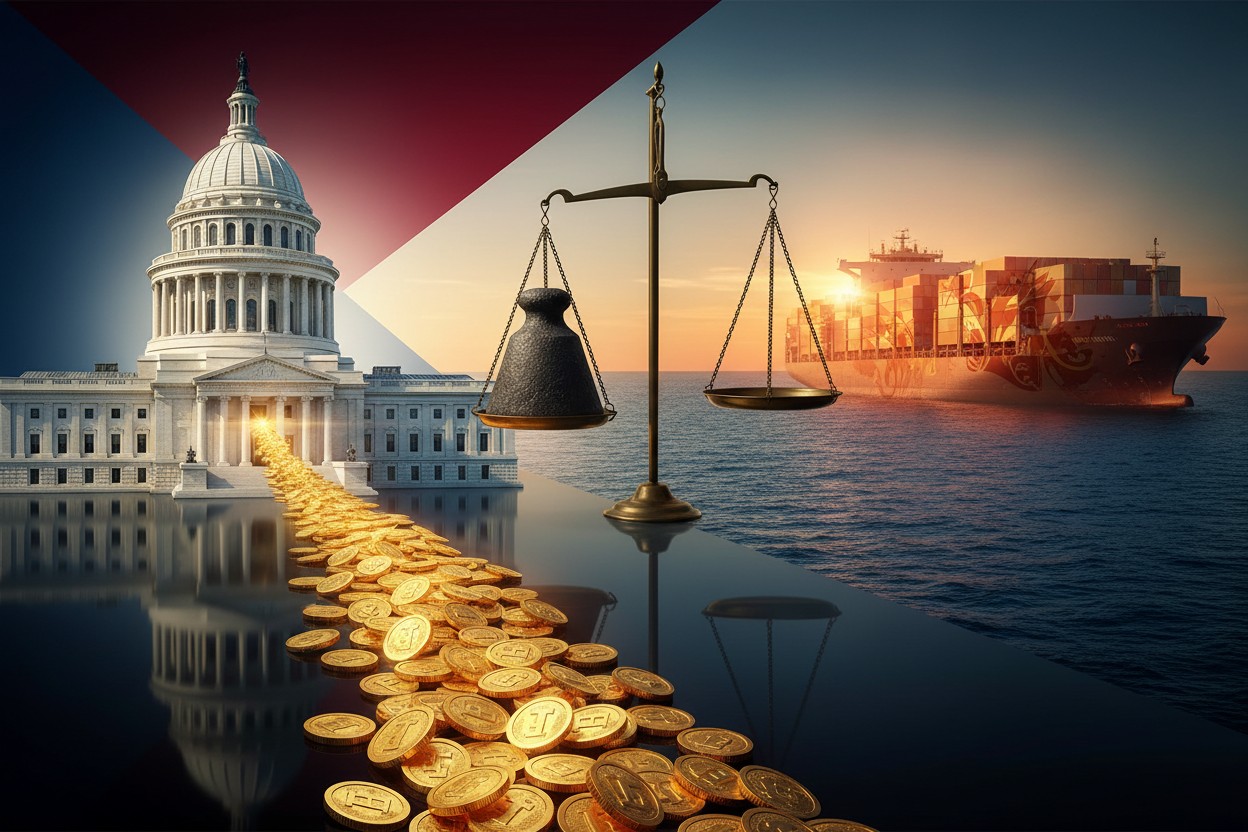
The Trump administration says it will impose new tariffs of 10% to 12.5% on 60 major trading partners beginning July 24, 2026. The measure is aimed at countries the US accuses of failing to block imports made with forced labor, making it a wide-reaching shift in how Washington links trade penalties to labor enforcement.
The policy is being presented as a response to what officials view as unfair competition for American companies. The basic argument is that goods produced with forced labor can enter global markets at lower costs, putting US businesses at a disadvantage. By adding tariffs, the administration is attempting to raise the price of those imports and pressure trading partners to tighten their rules.
The move also reflects a broader effort to rebuild trade strategy after a court setback referenced in the report. Instead of relying only on earlier tariff frameworks, the administration appears to be using forced-labor enforcement as a new basis for duties across a large group of countries. That approach could reshape future trade disputes by tying market access more directly to labor-related standards.
Major economies are among the countries affected, with China and Japan indicated in the report along with many other trading partners. As the July 24, 2026 start date approaches, businesses and trade watchers are likely to focus on how the tariffs will be applied, which imports are covered and how other countries respond.