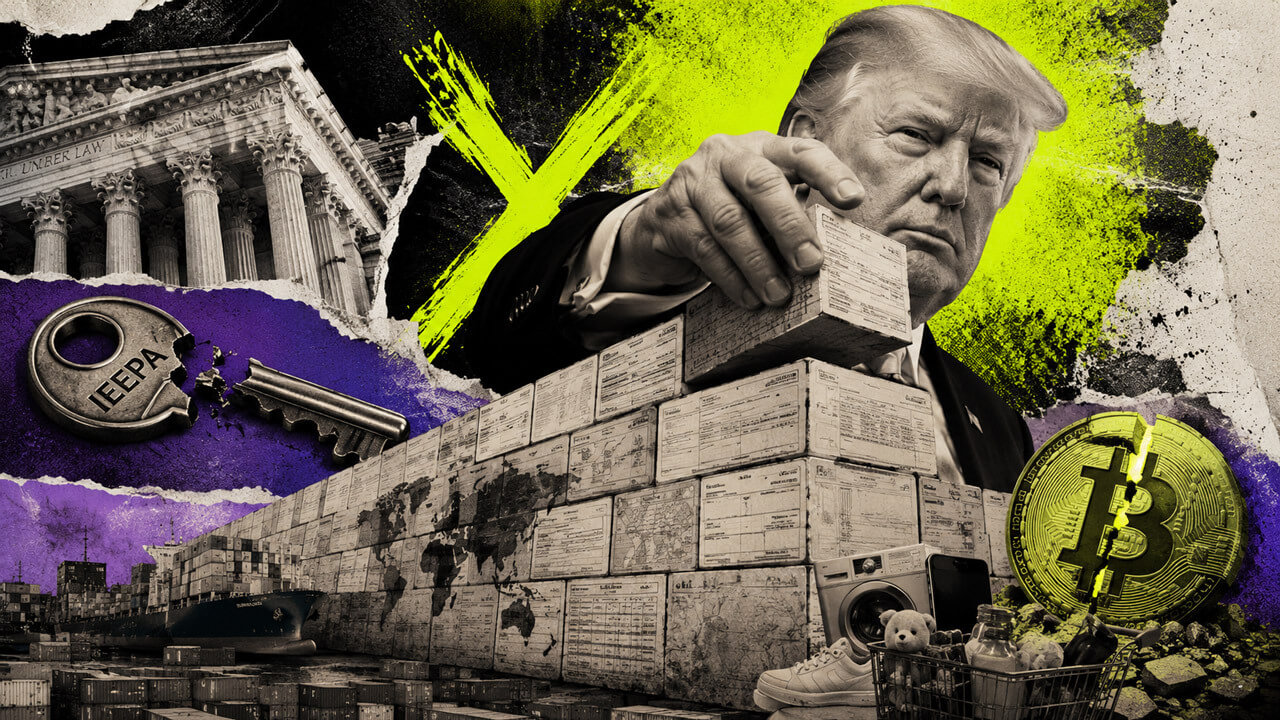
President Donald Trump’s latest tariffs are facing criticism from both US voters and trading partners, but the broader policy may prove difficult to reverse. Even when tariffs are unpopular, they can give the White House leverage in trade talks and generate government revenue, two factors that can help keep them in place.
Trump has long backed a protectionist trade approach and argues that tariffs have supported a strong US economy. He also presents them as a practical negotiating tool, using import taxes to pressure other countries during disputes over trade and market access.
That combination of political utility and financial benefit helps explain why tariffs can outlast the administration that imposed them. A future president might campaign against higher trade barriers, yet still hesitate to scrap them completely if they are seen as useful in negotiations or as a source of income.
The result is a trade policy that may remain part of Washington’s toolkit even amid public frustration. While the backlash highlights the political risks, the staying power of tariffs appears tied to how much influence and flexibility they offer presidents in dealing with global economic rivals.