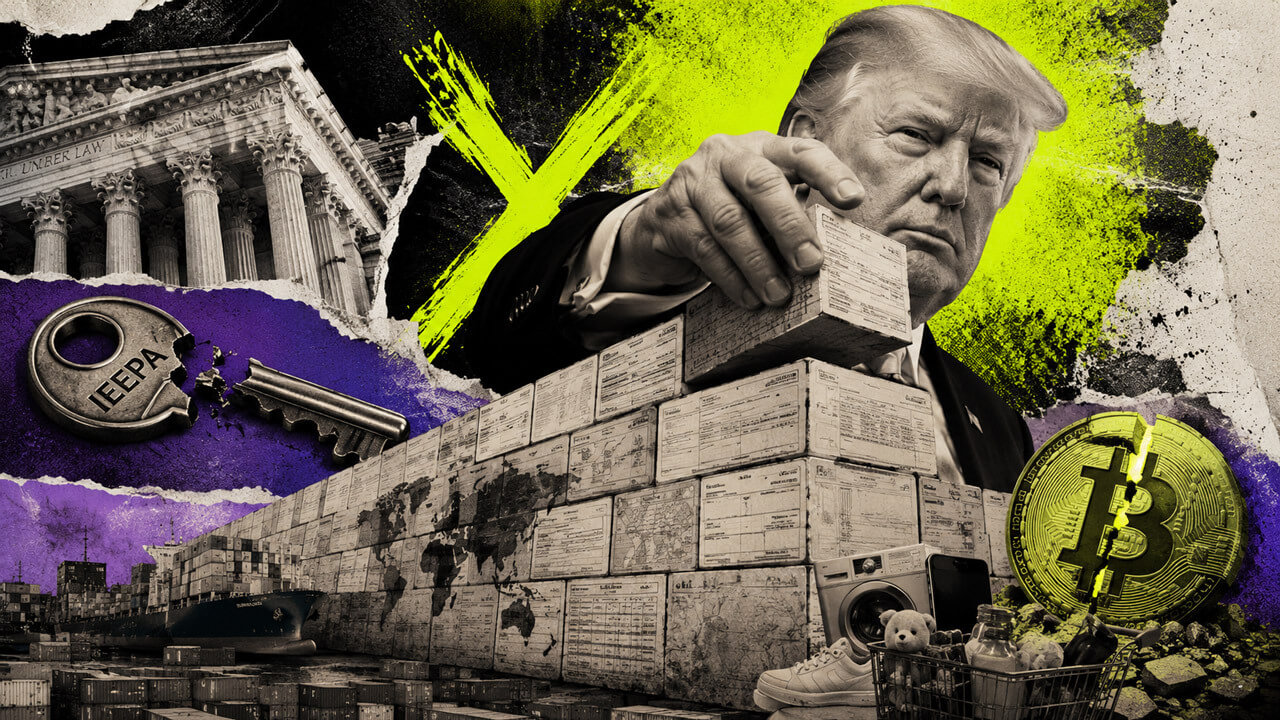
President Donald Trump’s latest tariff push appears set to become a lasting part of U.S. trade policy rather than a short-term negotiating tactic. The new duties reportedly cover nearly all U.S. imports, pointing to a broad reset in how Washington plans to deal with trading partners.
The approach marks a clear break from slower, investigation-heavy tariff processes. According to the available details, Trump moved quickly after returning to office, preferring immediate pressure over lengthy reviews in an effort to force concessions from other countries.
That speed matters because it suggests the tariffs are not simply a temporary threat. Instead, the policy looks like part of a wider strategy to use import duties as a regular tool in trade talks, with more measures likely to follow if the administration believes additional leverage is needed.
For businesses, the outlook is increasingly clear: higher trade barriers may remain in place for some time, and more could be added. If that trajectory continues, companies that depend on imported goods or globally connected supply chains may need to prepare for a prolonged period of tariff-driven uncertainty.