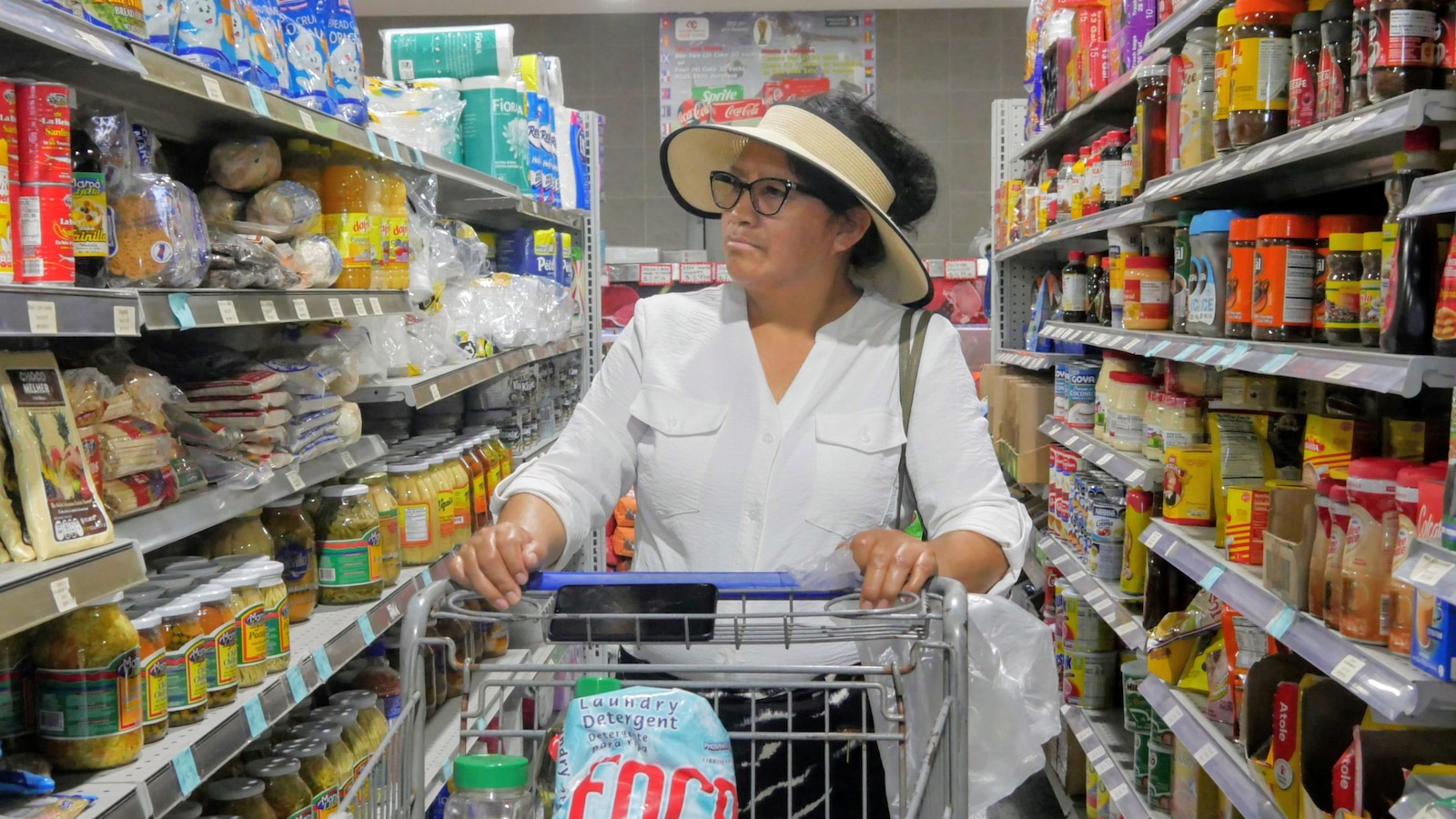
Even as overall inflation has cooled, many Americans are still finding that grocery bills have not dropped in the same way. Economists have a name for this pattern: the "rockets and feathers" effect, a term used to describe prices that rise quickly but drift down much more slowly.
In the case of U.S. groceries, food eaten at home surged after the pandemic, pushing household budgets higher. The "rockets" part refers to how fast those prices climbed. The "feathers" part reflects how slowly they come back down, even when inflation data begins to improve.
That helps explain why shoppers can hear that inflation is easing while still paying elevated prices at the checkout line. A slowdown in inflation does not automatically mean prices return to earlier levels; it often means they are rising less quickly than before.
For consumers, the result is a stubborn gap between better economic headlines and day-to-day costs. Grocery prices remain a visible example of how inflation can fade on paper while relief at the store takes much longer to appear.