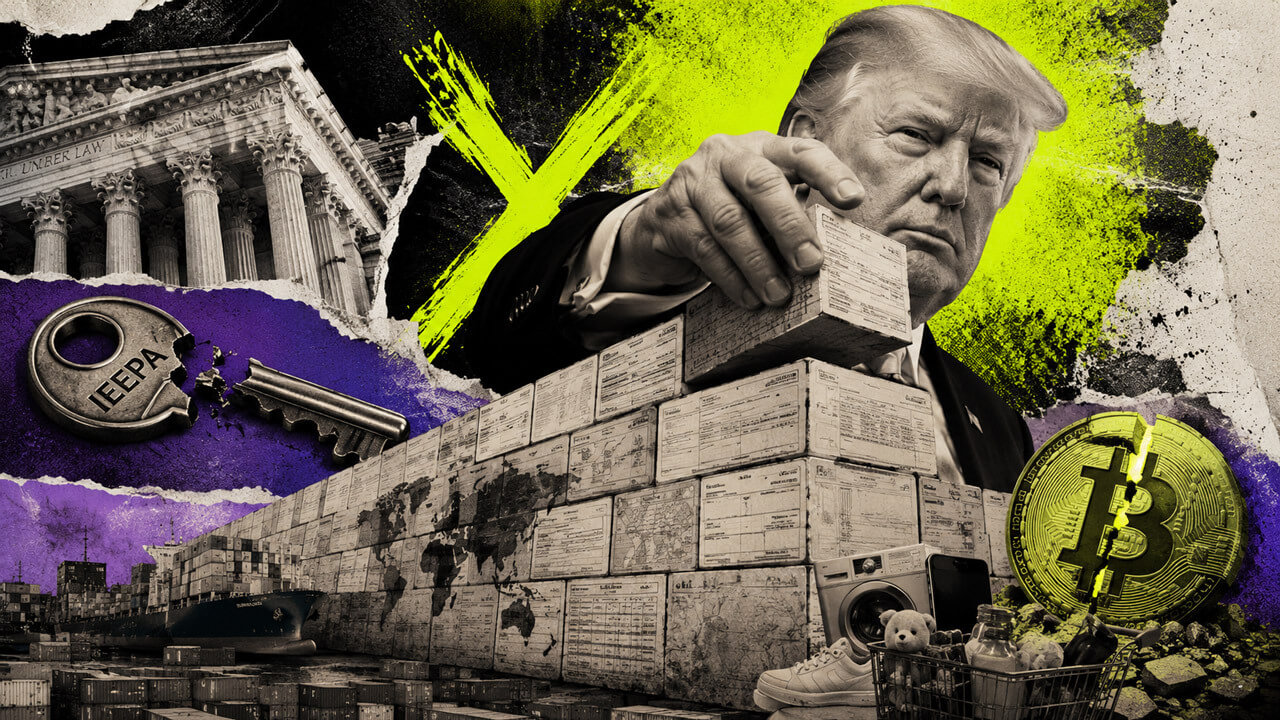
The fine print in the White House’s latest tariff action appears to include a wider set of exemptions than in earlier rounds of Trump-era duties. That detail is drawing attention because it suggests the administration is trying to keep pressure on trade partners while softening the impact on some products and industries.
According to the report, the carve-outs are more expansive than previous tariff packages from this administration. That points to a more complicated approach than a simple across-the-board duty increase, with policymakers using exemptions to shape how the tariffs affect companies, supply chains and trade relationships.
The trimmed remarks in the story also underscore the balancing act behind the move. The challenge is not only meeting the president’s demands on trade, but also working with partners over the longer term and avoiding outcomes that create unnecessary disruption for economic actors involved in cross-border business.
In practice, the broader exemptions could make the new tariffs look tough politically while leaving room for flexibility in implementation. That mix of pressure and carve-outs is likely to remain central to how businesses, trading partners and markets assess the latest White House trade measures.