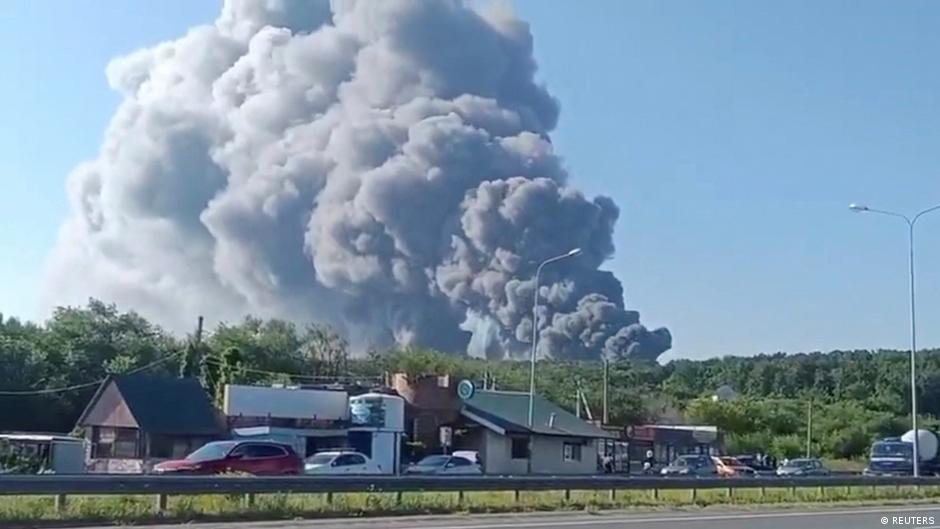
Houthi rebels have claimed responsibility for attacks on Saudi oil tankers in the Red Sea, marking the first reported strikes on Saudi oil infrastructure since 2019 and shaking global energy markets. The immediate reaction was a sharp move in crude, with Brent pushing above $100 as traders responded to the renewed threat around a critical oil transit route.
The jump in Brent crude highlights how sensitive energy prices remain to geopolitical risk involving Saudi supply and Red Sea shipping. Even without clear evidence of a prolonged disruption, attacks tied to oil transport can quickly raise fears about tighter supply, higher insurance costs, and broader instability across the region.
Bitcoin, by contrast, was described as holding relatively steady near $64,000. That price action is testing the popular idea that Bitcoin consistently acts as a safe-haven asset during geopolitical crises. Instead of a dramatic flight into crypto, the market response suggests investors are still treating digital assets differently from traditional crisis hedges such as oil or other defensive trades.
The episode is also renewing attention on crypto financing concerns during periods of conflict, adding another angle to how digital assets are viewed when geopolitical tensions rise. With Brent above $100 and focus returning to Saudi oil infrastructure, markets are now watching whether this remains a short-lived shock or develops into a broader energy and crypto story.