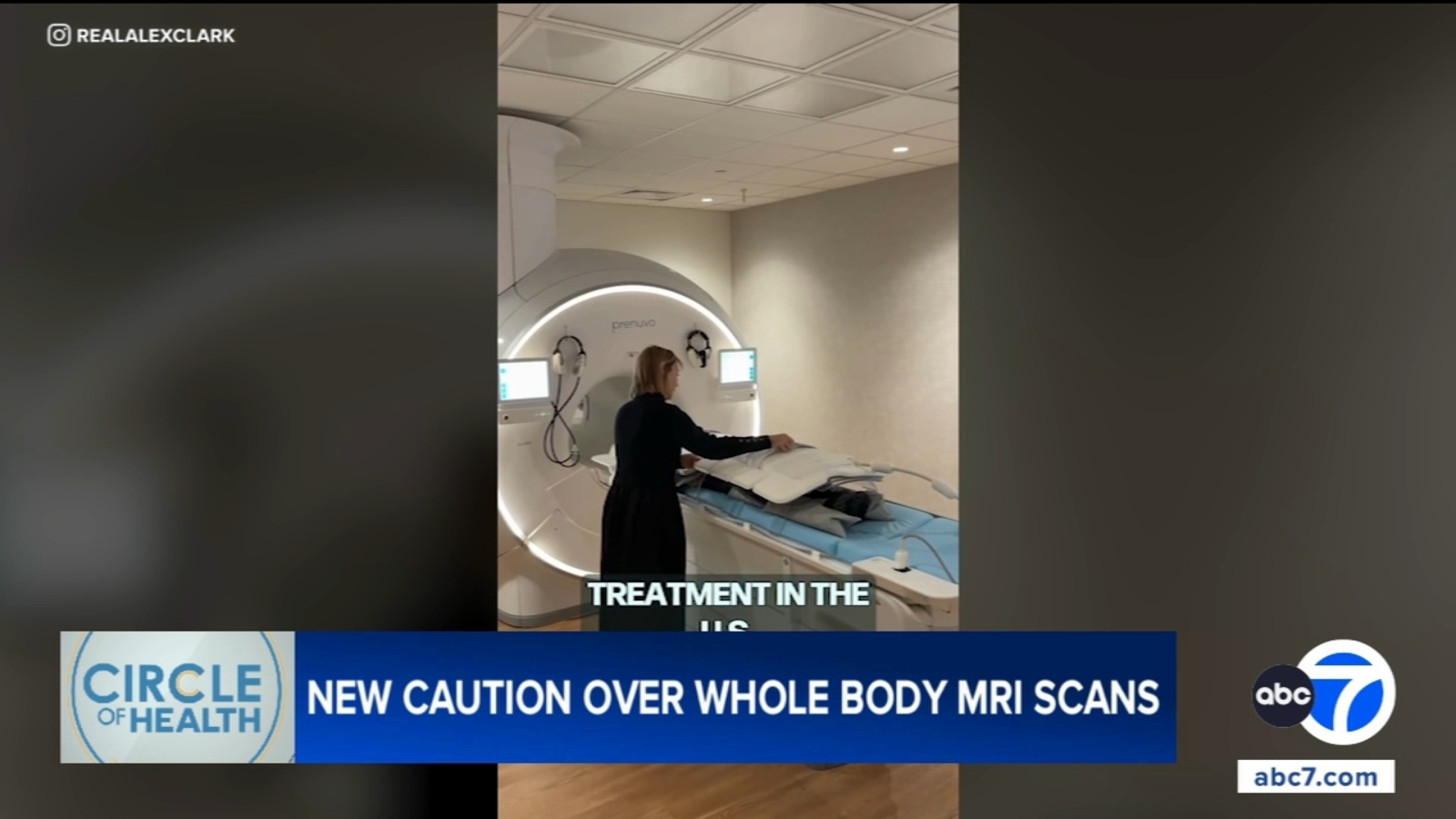
Elective whole-body MRI screenings are drawing renewed attention as more consumers look for ways to detect disease earlier. Interest in these scans appears to be rising alongside social media promotion, which has helped turn a once-niche service into a broader wellness and prevention trend.
Supporters of whole-body MRI screening argue that a scan covering multiple areas at once may help spot problems before symptoms appear. That early-detection appeal is a major reason some people are choosing to pay for the test even when it is not part of standard medical care.
At the same time, medical experts are voicing concerns about the growing popularity of whole-body MRI scans. While the idea of finding hidden illness can sound reassuring, specialists caution that broad screening for people without symptoms may not always provide clear medical value and can raise difficult questions about how results should be interpreted.
The debate highlights a wider tension in modern health care: consumer demand for more proactive testing versus expert concerns about when screening is truly useful. As whole-body MRI screenings become more visible, the discussion is likely to continue over who may benefit, what the limits are, and how patients should weigh the promise of early detection against medical caution.