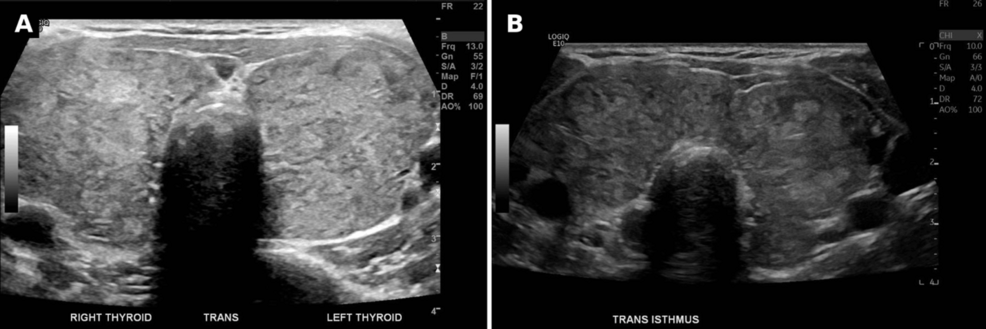
A case report published by Cureus examines profound hypothyroidism as a reversible cause of severe low-density lipoprotein cholesterol, or LDL-C, elevation. The report focuses on how markedly reduced thyroid hormone levels can drive a striking rise in LDL cholesterol rather than a primary cholesterol disorder alone.
According to the article description, thyroid hormone has a central role in lipid metabolism. In profound hypothyroidism, impaired triiodothyronine (T3)-mediated control of hepatic LDL receptor expression reduces the liver’s ability to clear circulating LDL particles, which can lead to major LDL-C elevation.
The report draws attention to hypothyroidism as an important secondary explanation for severe hypercholesterolemia. By framing the condition as reversible, the case highlights that correcting the underlying thyroid problem may also improve the abnormal lipid profile.
The main takeaway from the Cureus publication is that severe LDL cholesterol elevation can sometimes reflect endocrine dysfunction, especially when hypothyroidism is profound. It adds to ongoing clinical awareness that thyroid status is closely linked to cholesterol handling and should be considered when LDL-C rises dramatically.