![[Ilya Somin] How Trump's Tariffs Undermine US Trustworthiness and Credibility - and What can be Done to Stop it](https://d2eehagpk5cl65.cloudfront.net/img/q60/uploads/2025/08/tariffs-tax-base-scaled.jpg)
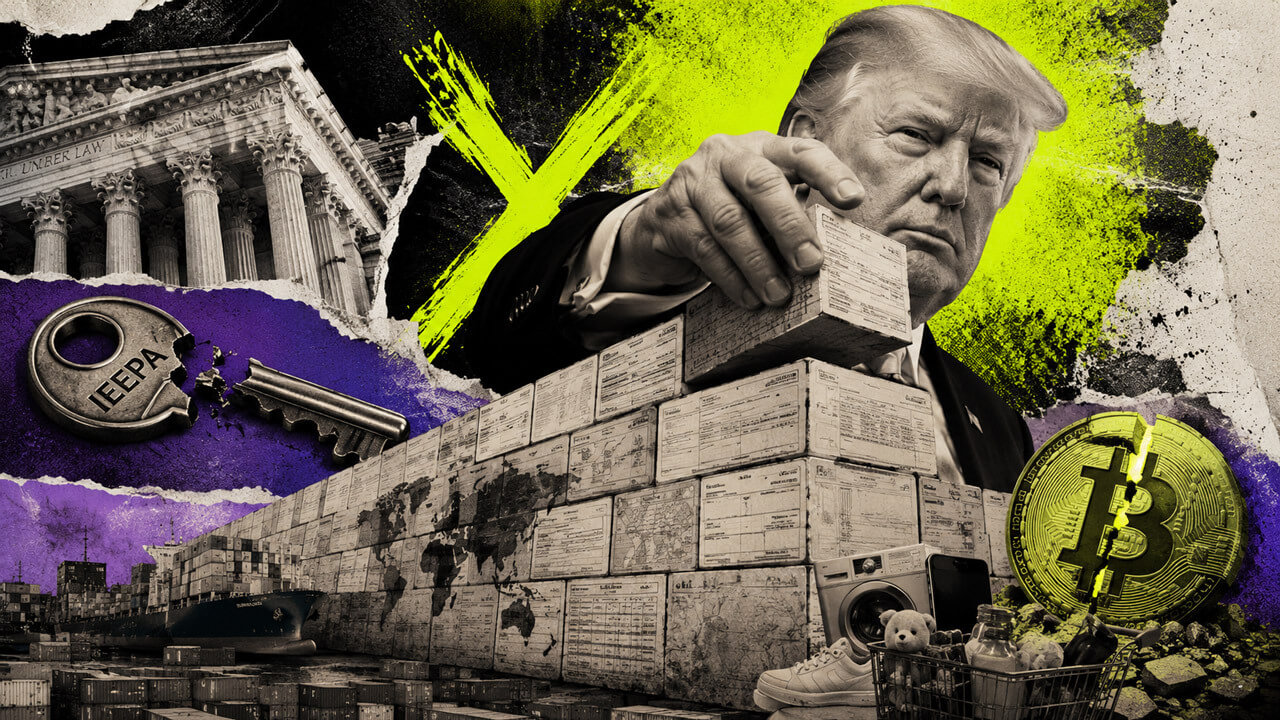
A new commentary by Ilya Somin argues that President Donald Trump's tariff policy carries a cost beyond higher prices and trade disruption: it can weaken America's reputation for reliability. Writing about Trump's new Section 301 tariffs and the April 2025 measures he presented as "Liberation Day" tariffs, Somin says the damage includes a loss of trust in the United States as a predictable economic and political partner.
The piece highlights an argument from economist David Hebert, who focuses on the credibility problem created when major trade rules can shift sharply through unilateral action. If other countries, companies, and investors see US policy as unstable, they may become less willing to rely on American commitments. That kind of uncertainty can affect long-term planning, negotiations, and the broader standing of the US in global trade.
Somin also ties that concern to his earlier claim that the new Section 301 tariffs are both illegal and harmful. In this framing, the issue is not only whether tariffs raise costs or trigger retaliation, but whether they signal that Washington may depart from settled rules when politically convenient. That, he suggests, can make future US promises less persuasive.
At the same time, the article says the problem is not beyond repair. While the reputational damage is serious, Somin argues it can still be limited if Trump's tariff moves are challenged and constrained through the available legal and institutional checks. The central warning is that trade policy affects not just markets, but also the credibility that underpins American influence.