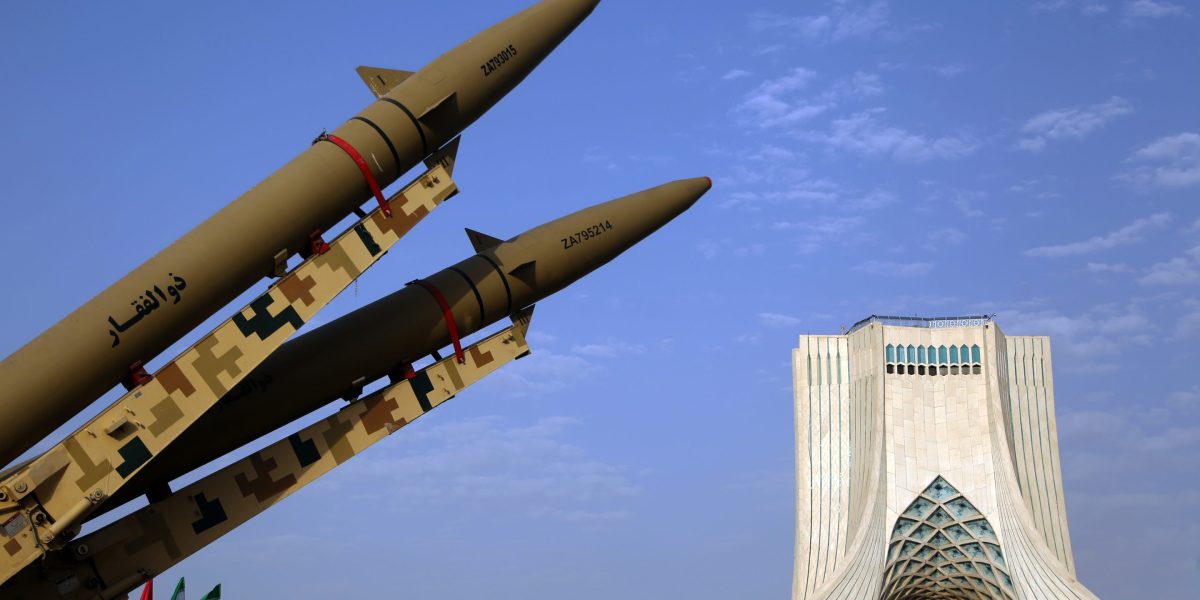
Energy markets are coming under growing pressure as conflict spreads across oil-producing areas and major shipping lanes in the Middle East. The concern is no longer limited to one flashpoint. Instead, traders are watching a cluster of risks build at the same time, with Red Sea unrest adding to fears that key export routes could become harder to use.
That raises the possibility of a "no way out" scenario for some Mideast oil flows if several chokepoints face disruption at once. When shipping routes tighten simultaneously, the market has less room to reroute cargoes, and the result can be slower deliveries, higher transport costs and a sharper sense of supply risk.
The article also points to a potentially bigger problem in refined products. While crude oil gets most of the attention, shortages in processed fuels can hit markets faster because they depend on both refinery operations and reliable shipping links. If those links are strained, the squeeze on refined products may become more severe than the pressure on crude itself.
Taken together, the latest unrest suggests a more fragile outlook for global energy trade. With multiple wars and regional tensions overlapping, the market is increasingly focused on whether oil and fuel can continue moving through contested corridors without a broader supply crunch.