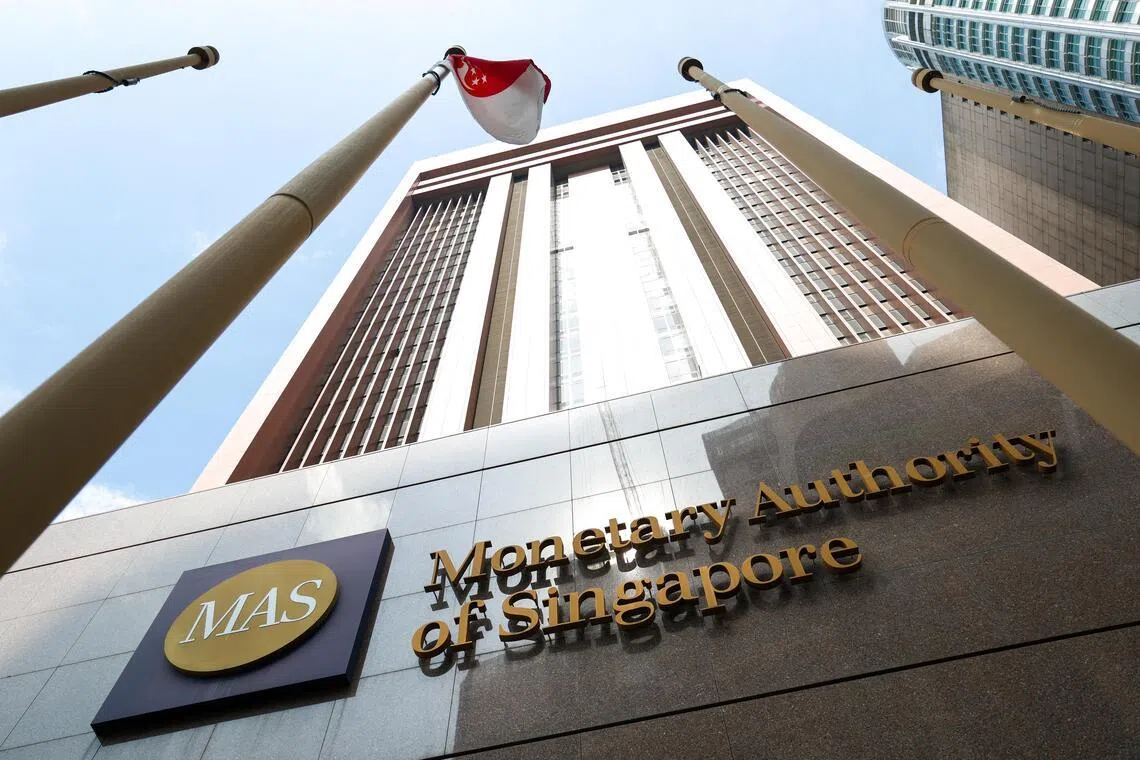
Singapore’s central bank has tightened monetary policy again, signaling support for a stronger Singapore dollar as it responds to inflation risks linked to the Iran conflict. The move marks a second straight tightening step and underscores policymakers’ concern that external price pressures could remain stubborn.
The latest decision reflects worries that geopolitical tension could keep inflation elevated for longer than expected. For Singapore, which relies heavily on imports, a firmer local currency can help limit the impact of higher overseas costs by making imported goods and services relatively less expensive.
MAS’s stance suggests inflation control remains a priority even as the global outlook becomes more uncertain. By allowing the Singapore dollar to strengthen, the central bank is using its main policy tool to reduce the risk that conflict-driven cost increases feed more deeply into the domestic economy.
The decision will keep attention on how the regional conflict affects global prices and whether inflation pressures broaden further. Investors, businesses and households will now be watching for signs of how long these risks persist and whether more policy action may be needed.