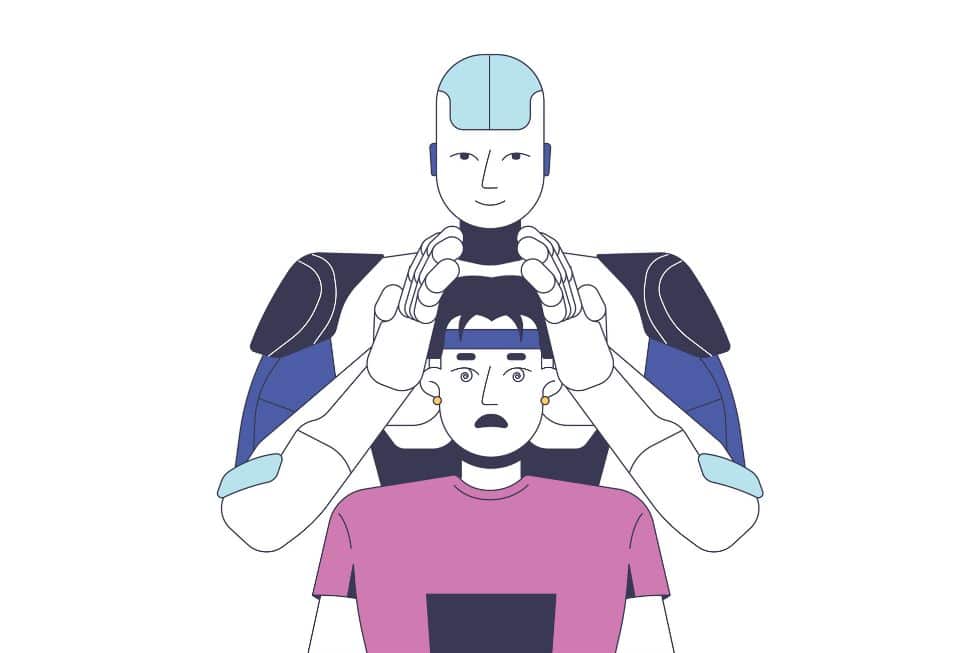
A man told NewsNation that his reliance on artificial intelligence spiraled into what he described as "AI psychosis," a crisis he says contributed to losing his job, his home and his sense of stability. The story highlights growing concern about how AI tools, while useful for work and everyday tasks, may affect people who are vulnerable to paranoia, delusions or other mental health struggles.
Artificial intelligence is now deeply embedded in daily life, helping users write, organize, research and solve problems. That convenience has fueled rapid adoption, especially among people looking to improve productivity at work. But mental health experts cited in the report say there can be risks when users begin treating AI systems as more authoritative, personal or all-knowing than they really are.
Experts warn that, in some cases, heavy or emotionally charged use of AI could reinforce distorted thinking rather than challenge it. If someone is already dealing with mental health symptoms, responses from an AI system may be misread in ways that deepen false beliefs or intensify a break from reality. The report points to that possibility as more people turn to AI for both practical and personal guidance.
The case adds to a wider debate about the mental health risks of AI as these tools become more common in homes and workplaces. Specialists say the technology can be helpful, but it is not a substitute for medical care, crisis support or human judgment, especially when someone is showing signs of severe distress.