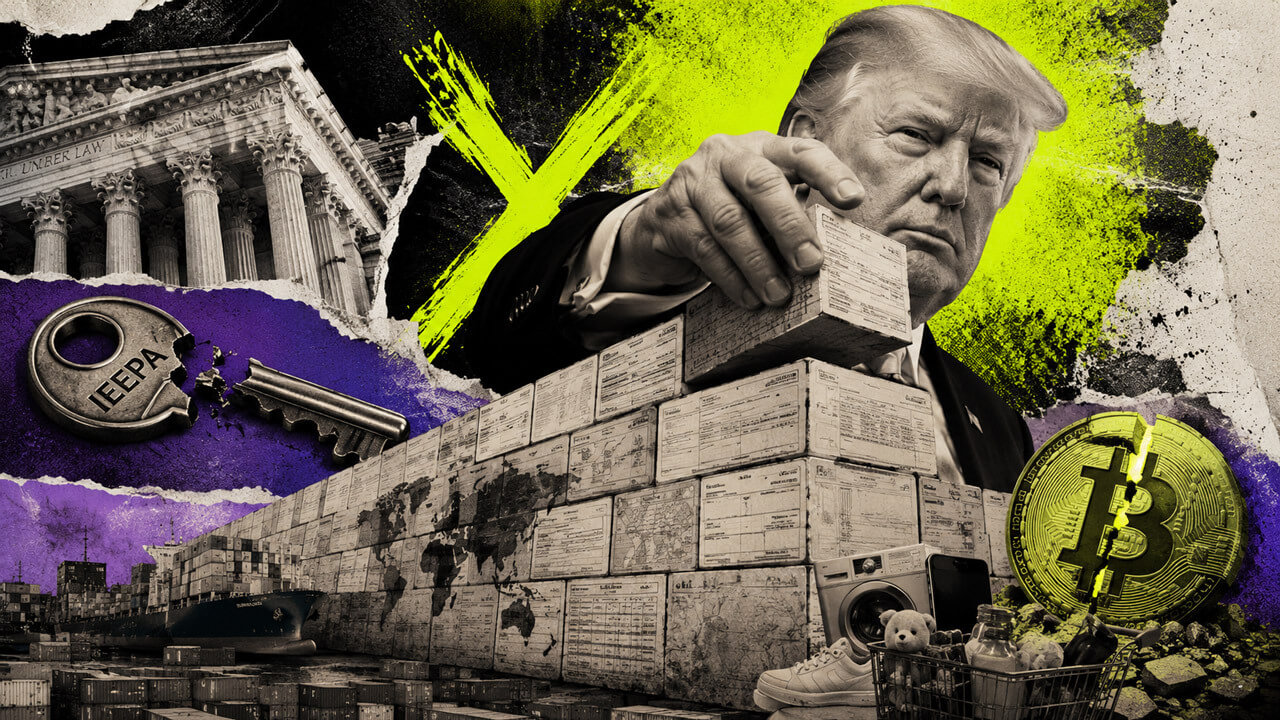
A fresh debate is building around the way the United States is backing new trade barriers, with forced labour concerns emerging as a stronger policy basis than some earlier tariff justifications. The argument is that when Washington shifts from one legal route to another, the immediate legal footing may look sturdier, but that should not reduce the need for internal checks and balances.
The discussion has sharpened because Section 301 of the US Trade Act appears to offer a more formal process than a thinner tariff rationale. Even so, the concern is not only whether a measure can be wrapped in due process, but whether it still faces meaningful scrutiny from courts and other institutions. If the odds of judicial relief are lower under this route, the case for preserving oversight becomes more important, not less.
The issue also has implications for India, which may be affected by tougher trade actions tied to labour conditions. The broader point is that India cannot simply dismiss such allegations out of hand. Its labour market has long faced criticism over weak protections, uneven enforcement and difficult working conditions in parts of the economy, making a flat denial harder to sustain.
Taken together, the debate is about more than a single trade barrier. It is about how far the US can extend trade policy through human-rights or labour-based arguments, and how India should respond when those arguments intersect with real domestic vulnerabilities. The legal framing may be changing, but the need for scrutiny on both sides remains central.