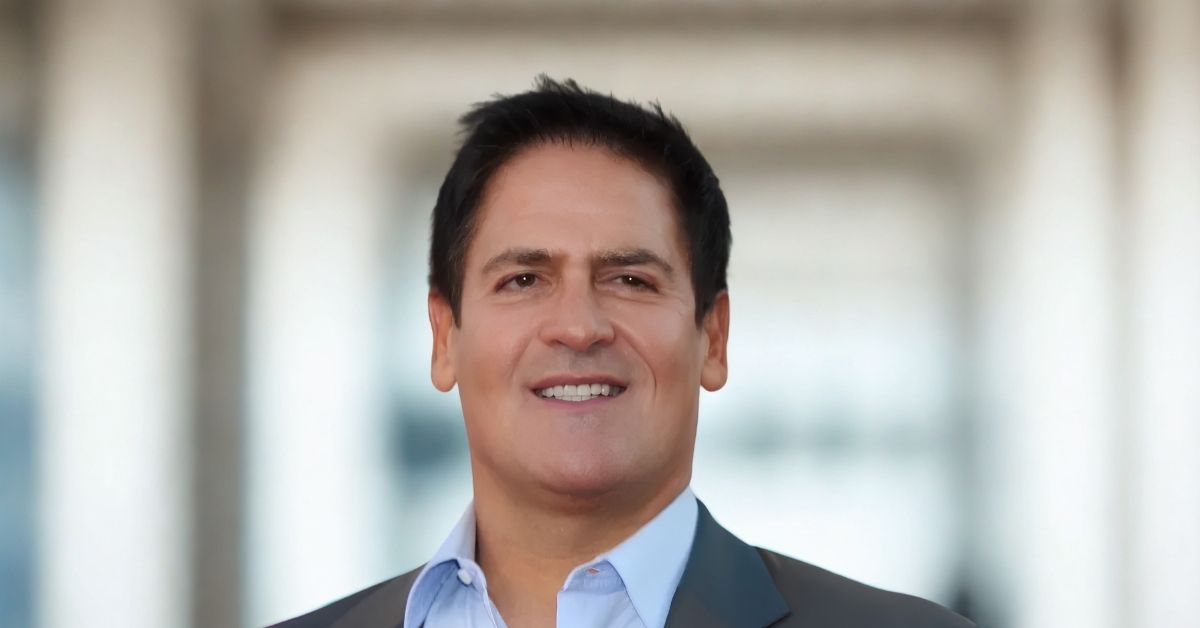
Mark Cuban is drawing attention for a Social Security idea that goes beyond the usual debate over raising the retirement age or cutting benefits. The focus, according to the report, is on automation and the possibility that fewer human workers could mean less payroll-tax revenue flowing into the program.
That concern matters because Social Security is a major source of income for millions of retirees. If the system takes in less money from workers while continuing to support a growing number of beneficiaries, the financial strain becomes harder to ignore. The article frames automation as a long-term risk because it could reduce the size of the labor force that currently helps fund benefits.
Cuban's approach appears to center on updating how the system is financed as technology changes the economy. Instead of relying only on traditional wage-based contributions, the argument is that policymakers may need to capture more of the economic gains created when automation replaces human labor. That would make the conversation less about workers alone and more about how new technology reshapes the tax base.
The broader takeaway is that the future of Social Security may be tied not just to demographics, but also to how quickly businesses automate jobs. Cuban's proposal stands out because it treats automation as part of the funding problem, and potentially part of the solution, as debate over the program's long-term stability continues.