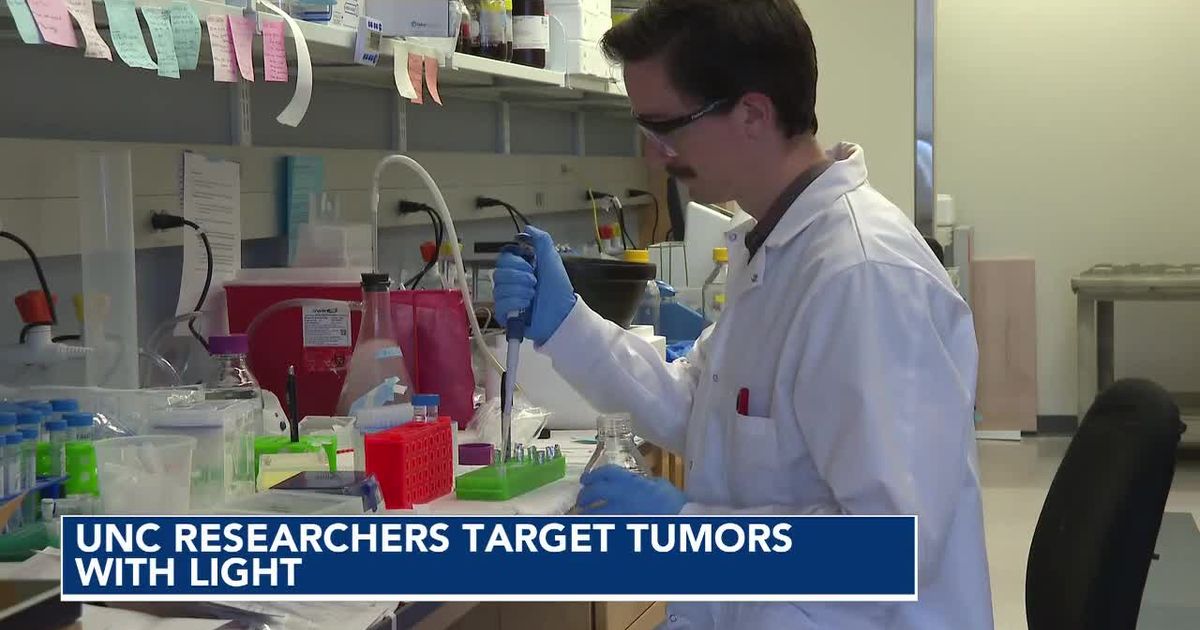
Researchers at UNC-Chapel Hill are working on a light-activated cancer drug delivery system that could make treatment safer for patients. The goal is to release cancer medicine only where it is needed most, at the tumor, instead of exposing more of the body to the drug.
The idea addresses a major problem in cancer care: treatments can help patients survive but also cause lasting harm. Side effects from cancer therapy may include nerve damage, hearing loss and other long-term complications that can affect quality of life long after treatment ends.
By using light to trigger the release of medication at the tumor site, UNC researchers hope to reduce damage to healthy tissue. A more targeted approach could mean that patients still receive the benefits of powerful cancer drugs while lowering the risk of collateral harm elsewhere in the body.
The work points to a broader push in oncology to make treatment not only more effective but also less destructive. If the light-activated drug delivery system proves successful, it could offer a new way to treat cancer with fewer lifelong side effects.