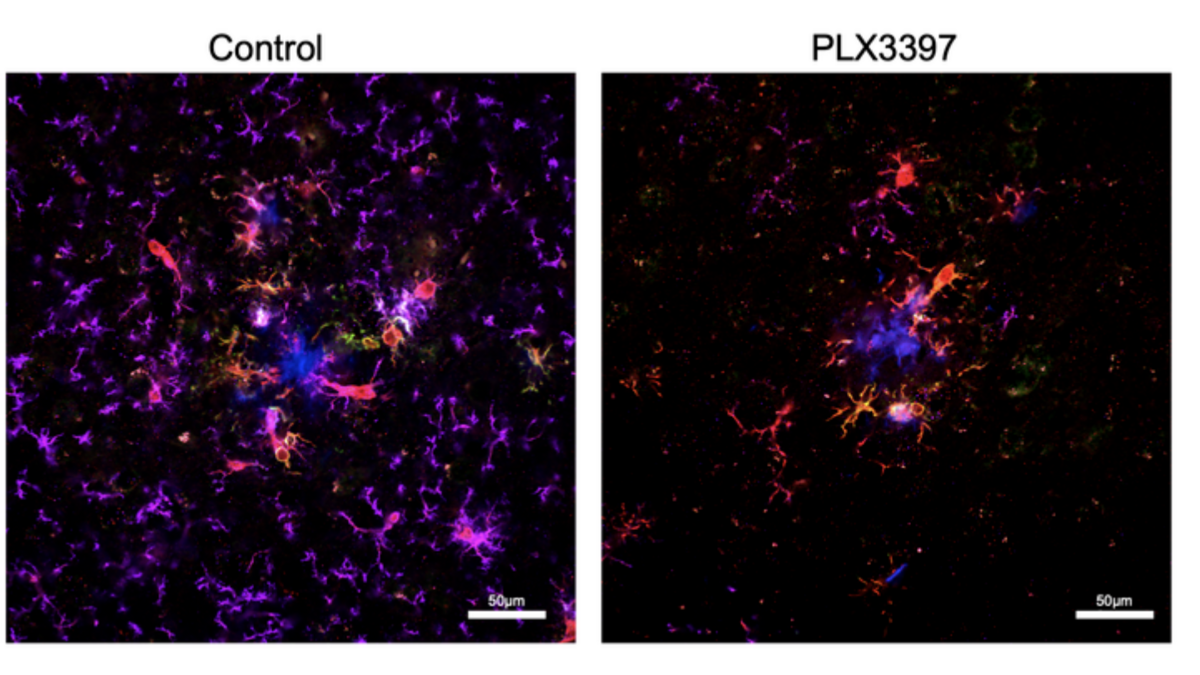
UK researchers say they may have identified a new way to address one of Alzheimer’s disease’s most disruptive early problems: the loss of healthy, restorative sleep. Their work points to microglia, the brain’s immune cells, as a key driver of sleep disruption linked to the disease.
According to the report, the research restored about two hours of restorative sleep in the study, a result the team describes as a significant step forward. Sleep problems are often seen as an early sign of Alzheimer’s, so improving sleep could have value beyond comfort alone.
The findings also raise the possibility of using sleep-related changes as an earlier detection tool. If scientists can better track how microglia affect sleep in Alzheimer’s, that pathway could help identify the disease sooner and offer a new target for treatment before symptoms worsen.
While more research will be needed to confirm how the approach works and who could benefit most, the study adds to growing evidence that sleep and brain health are closely connected. For Alzheimer’s research, the result suggests that restoring sleep may not only improve daily life but could also play a role in slowing the disease’s progression.