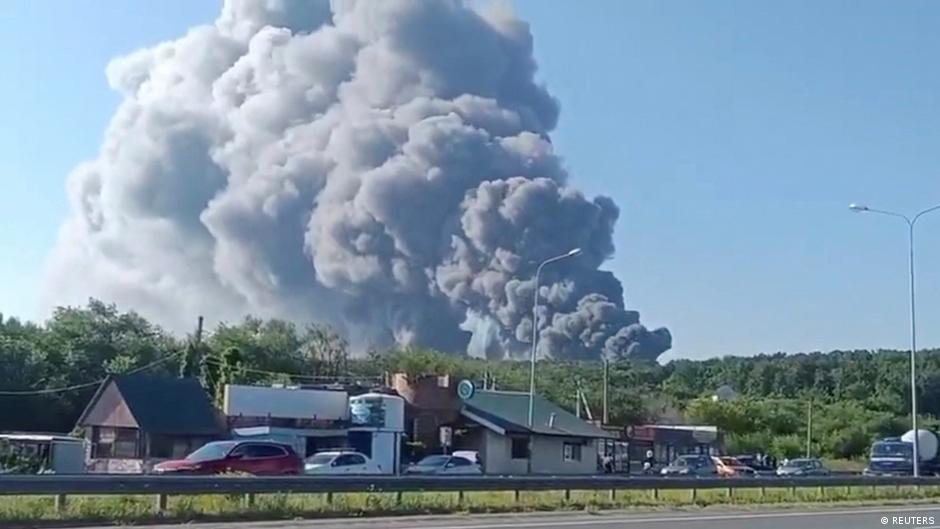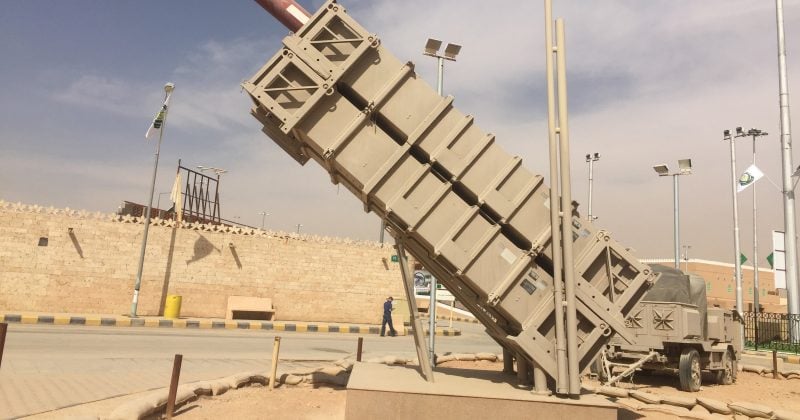
Saudi Arabia’s interception of drones linked to Iran-backed groups is adding fresh pressure to an already tense Gulf security backdrop. While the latest incident involving Saudi petroleum infrastructure did not trigger an immediate market reaction, it reinforced concerns about how vulnerable critical energy assets could be if attacks continue.
The bigger issue for investors is not just one strike, but the pattern. Repeated drone threats in the Gulf are gradually changing how traders assess geopolitical risk, especially in a region that remains central to global oil supply. Even when physical damage or supply disruption is limited, the frequency of these incidents can increase uncertainty and keep energy markets on edge.
The security fallout could also extend beyond Saudi Arabia. Rising regional tension may affect how neighboring states position themselves diplomatically, with Iraq’s foreign policy seen as one area that could come under added pressure as Gulf powers navigate competing alliances and security concerns.
For markets, that means the focus is shifting from immediate price shocks to longer-term risk perception. The latest interception may not have moved prices on its own, but continued threats to Gulf energy infrastructure are strengthening the view that regional instability remains an important factor for oil and broader financial markets.