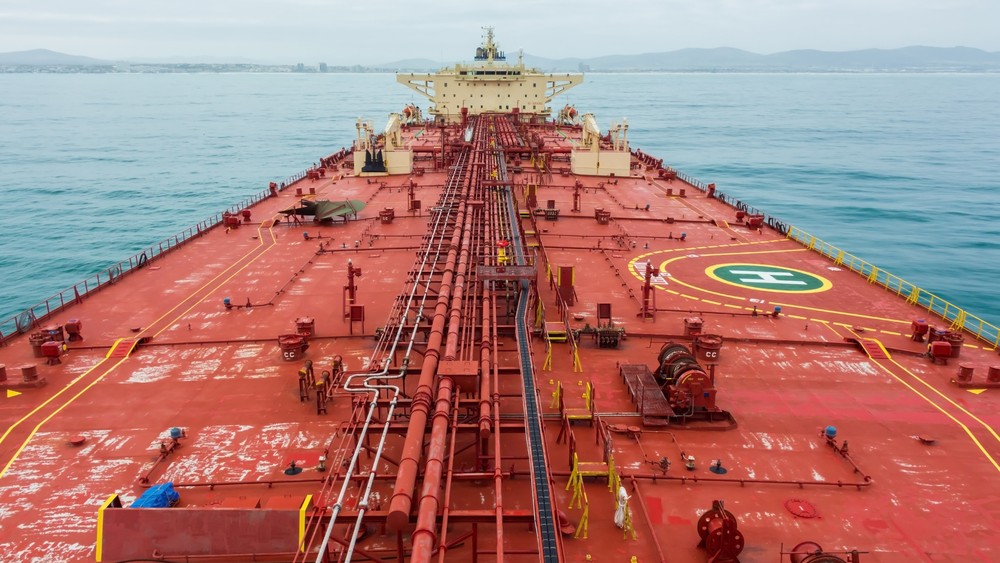
Japan is preparing to support overseas oil pipeline projects as it looks for ways to reduce its dependence on shipments passing through the Strait of Hormuz. The plan, reported by Bloomberg and linked to a document from the country’s economy ministry, points to investment in projects abroad, with particular attention on the Middle East.
The strategy reflects a wider push by energy-importing countries and producers to diversify export routes away from one of the world’s most important oil chokepoints. For Japan, which relies heavily on imported energy, any disruption around Hormuz can quickly raise concerns about supply security and price volatility.
Backing pipeline infrastructure overseas would give Japan exposure to alternative transport routes before oil reaches the narrow strait. That approach suggests Tokyo is looking beyond short-term market responses and toward longer-term energy resilience, especially in regions that remain central to its crude supply.
A stronger focus on Middle East pipeline links would also fit with broader efforts across the region to create more flexible export options. While the report does not detail final investment decisions, it signals that Japan is weighing infrastructure support as part of a broader plan to strengthen energy security and reduce risk tied to Hormuz.