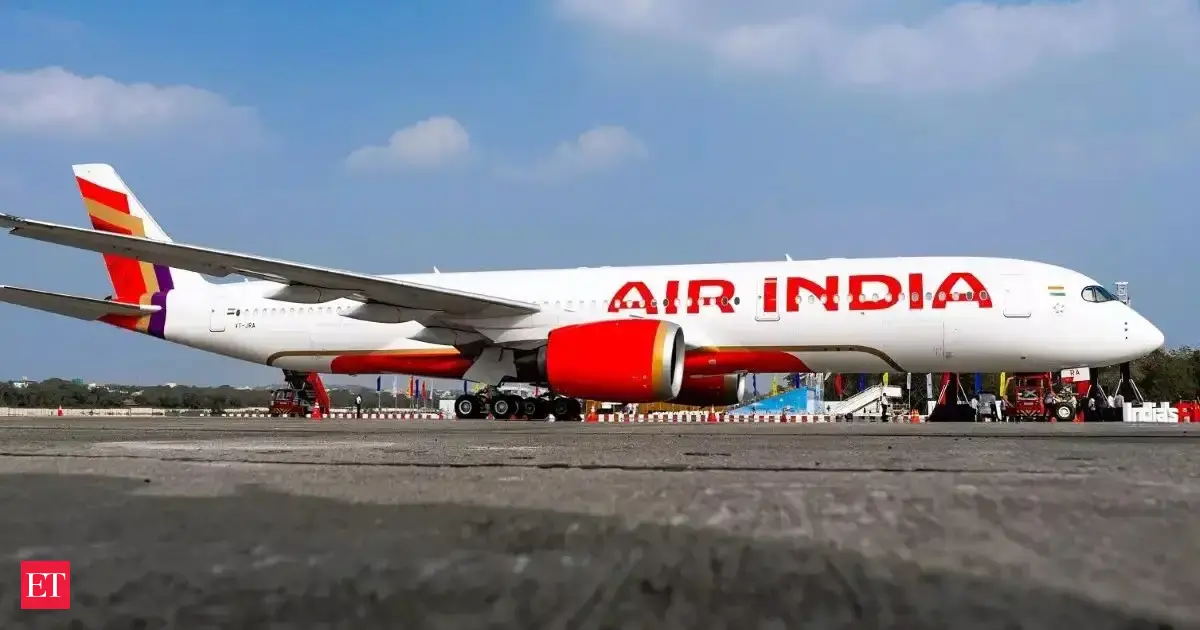
Air India's struggles are emerging as a broader concern for India's aviation market, not just a setback for one carrier. When Tata Group took back the airline from government ownership in January 2022, the move was widely seen as the return of a historic brand to its original home. But the hoped-for revival has proved far more difficult than a simple ownership change.
The airline is dealing with heavy losses and pressure on market share, even as it tries to rebuild its network, service standards and fleet. The turnaround is described as a long-term effort that could take close to a decade, largely because of deep-rooted legacy problems that cannot be fixed quickly. That means Air India's recovery is likely to remain uneven for some time.
A major obstacle is fleet modernization. Global supply chain disruptions are making aircraft deliveries and upgrades harder to execute on schedule, complicating plans to refresh operations and improve competitiveness. For an airline trying to regain customer confidence and strengthen its position, delays in fleet renewal create another layer of difficulty.
The bigger issue is what this means for competition in India's airline sector. If Air India remains weaker than expected, the market could tilt further toward a duopoly, reducing the balance that a stronger full-service national competitor might otherwise provide. In that sense, Air India's stumble is not only a corporate challenge for Tata, but also a test of how competitive India's aviation industry can remain in the years ahead.