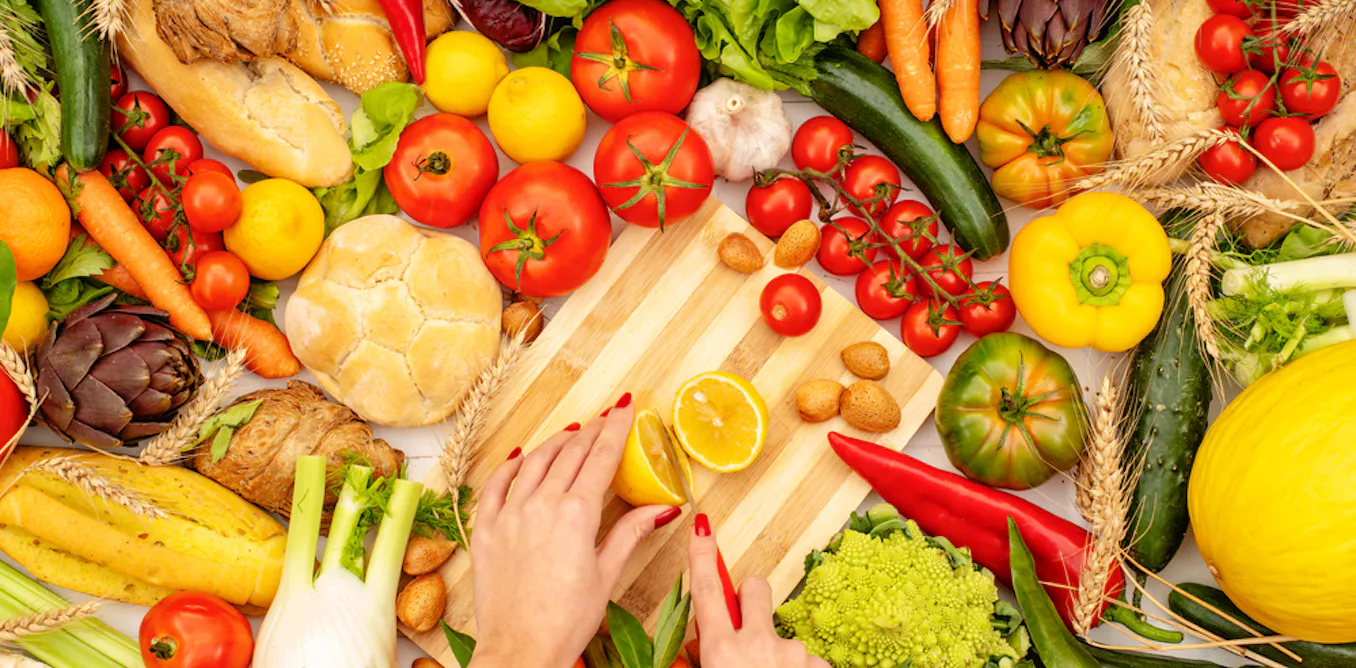
Questions about vegetarian and vegan eating often focus on whether cutting out meat or other animal products is a warning sign for an eating disorder. The key point from this research discussion is that these diets, on their own, are not tied to more eating-disorder symptoms overall.
That matters because people avoid certain foods for many different reasons. A vegetarian or vegan diet may be driven by concern for animals, environmental values, religious practice, culture, or general health preferences. Those motives are very different from restricting food mainly to control weight, shape, or intake.
The article argues that the reason behind dietary restriction deserves closer attention. In some situations, a restrictive eating pattern can overlap with disordered eating, especially if food rules become a way to limit intake or avoid broader concerns about eating. In other cases, the same diet pattern may simply reflect personal ethics or lifestyle choices and not signal a mental health problem.
The broader takeaway is that diet labels do not tell the full story. Vegetarian and vegan diets cannot by themselves confirm or rule out an eating disorder, so understanding a person’s motivations and behavior around food is more useful than making assumptions based only on what they do or do not eat.