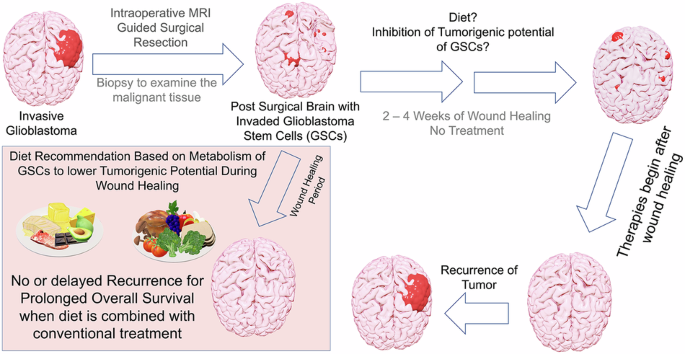
A study highlighted by Nature examines how a low carbohydrate, high fat diet may slow glioblastoma by changing the way tumor cells access and use lipids. The research focuses on glioblastoma stem cells, which are often linked to treatment resistance and tumor recurrence.
According to the report, the diet appears to restrict lipid availability and reduce the metabolic flexibility of these cancer stem cells. In simple terms, the tumor-driving cells may have fewer fuel options, making it harder for them to adapt and continue supporting aggressive growth.
That finding is important because glioblastoma is known for returning after treatment. If a dietary strategy can limit the ability of stem-like cancer cells to switch between metabolic pathways, it could help explain a possible new angle for weakening the disease alongside other therapies.
The article is associated with researchers in biochemistry and molecular biology at the University of Miami Miller School of Medicine. While the report points to promising biological effects, it chiefly underscores how diet may influence tumor metabolism, lipid use and the mechanisms tied to glioblastoma recurrence.