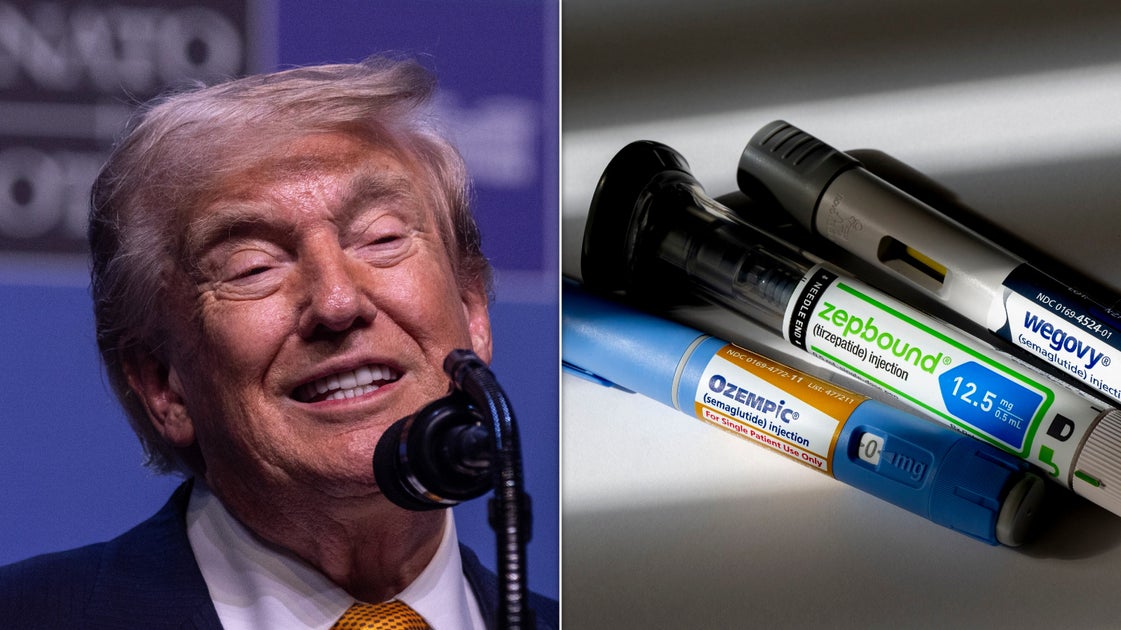
Donald Trump’s latest label for GLP-1 medications is drawing criticism from doctors and patients, who say the language used around these drugs can shape how the public sees them. Their concern is that a casual or mocking nickname may add to confusion about medicines that many people rely on for meaningful health improvements.
The debate comes as GLP-1 use continues to rise sharply. According to a Gallup poll cited in the report, 11% of American adults say they are taking the medications, up from 3% in 2024. That rapid increase has made GLP-1s a major health topic, with public comments about them now getting far more attention.
Patients pushing back on Trump’s remarks say the effectiveness of GLP-1 drugs cannot be ignored. They describe the medications as life-changing, and doctors appear to share the worry that political rhetoric could overshadow more important conversations about who uses these prescriptions, why they are prescribed, and how they affect people’s day-to-day health.
The reaction also points to a wider concern about stigma surrounding GLP-1 treatment. As more Americans turn to these medications, many patients and clinicians want the discussion to stay focused on evidence, outcomes, and medical need rather than on nicknames that may trivialize their role in care.