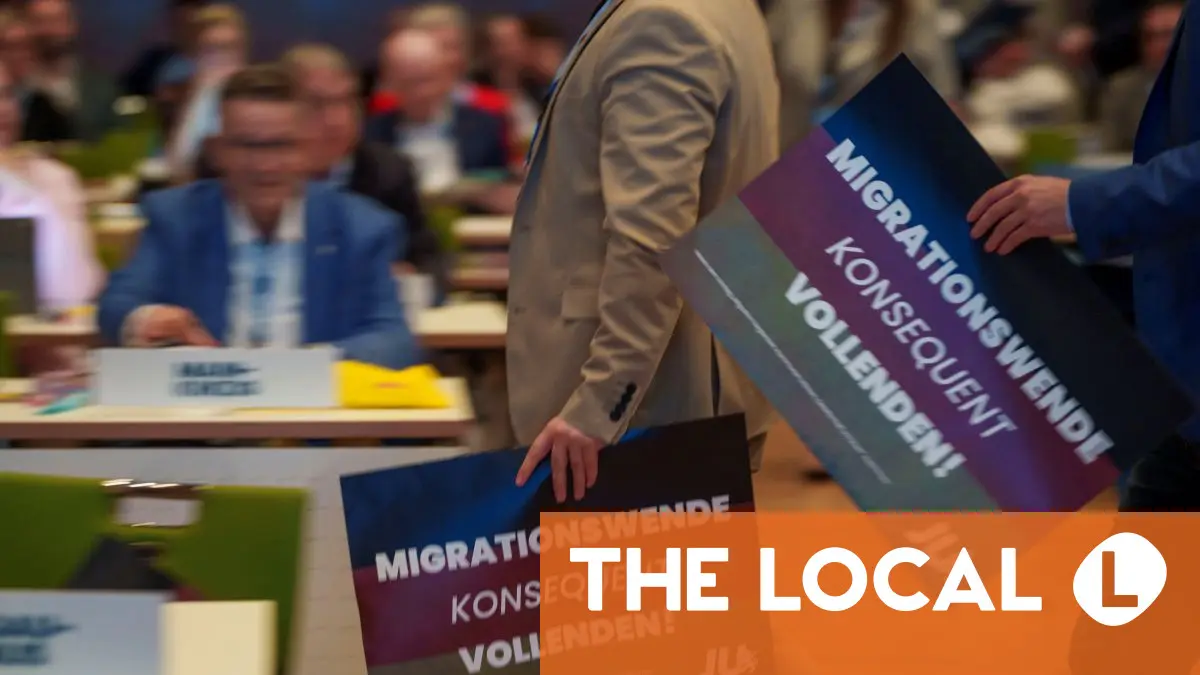
A new study from the German Economic Institute is raising questions about whether Germany’s tougher migration stance could undermine its ability to attract foreign workers. The report argues that a so-called “triple migration turnaround” is putting pressure on the country’s workforce, challenging the idea that stricter rules are a simple fix for broader national problems.
Germany’s conservative leadership has promoted tighter migration policies as part of its response to economic and social concerns. But the new analysis suggests there may be a trade-off: measures designed to reduce migration could also make Germany less appealing to the international workers many sectors depend on.
The debate goes beyond border policy and touches on the labour market. If Germany becomes a less attractive destination for skilled and non-skilled foreign employees alike, the study indicates that the country could face deeper workforce strains rather than relief. That would make migration policy not just a political issue, but a business and economic one as well.
The findings add to a growing discussion in Germany over how to balance public demand for tighter controls with the practical need for workers. As policymakers push the message of a migration turnaround, the study warns that the long-term effect on staffing and economic capacity may be far more complicated.