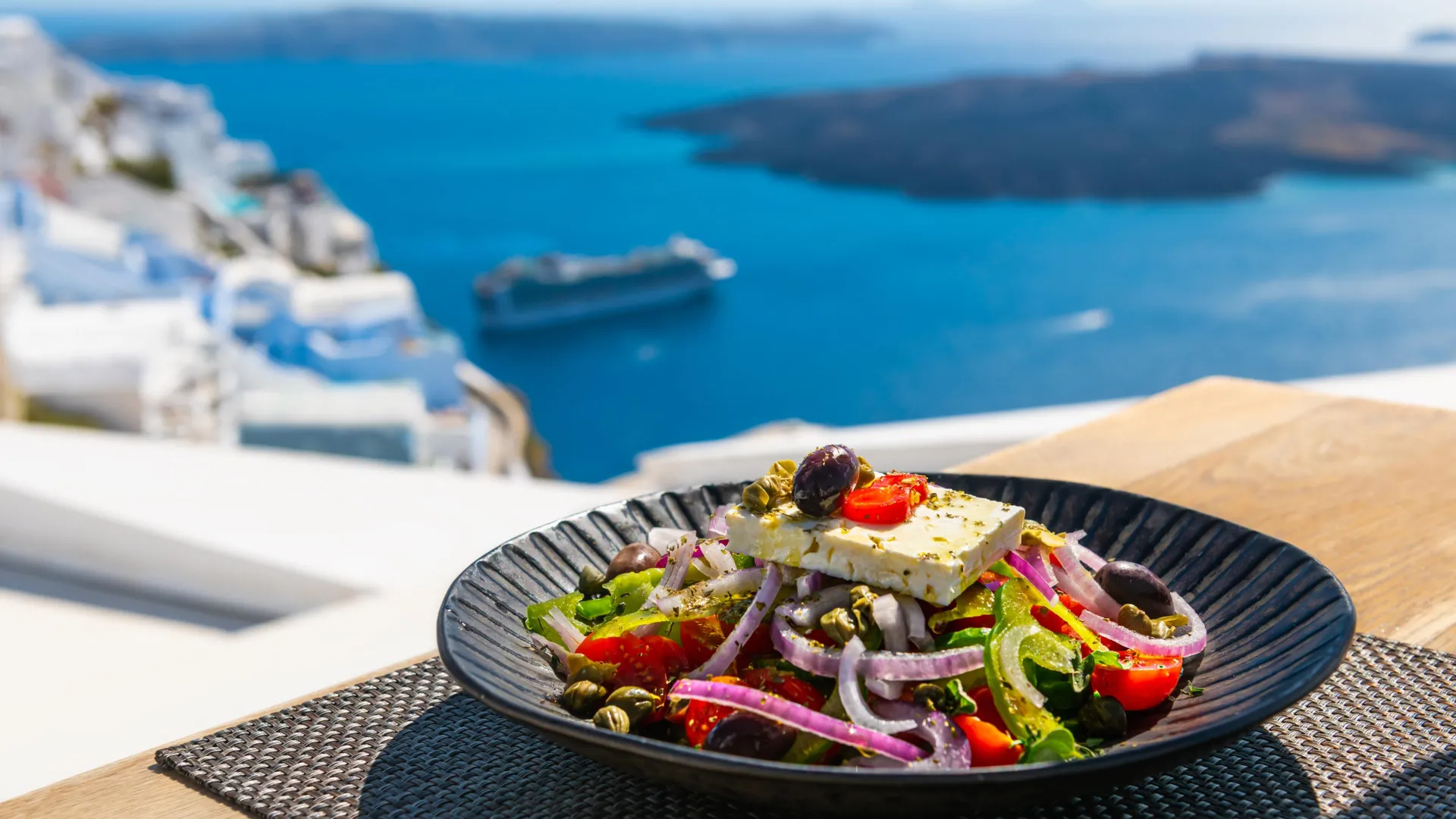
A new USC-led study suggests the Mediterranean diet may affect aging in a less obvious way than previously understood. Researchers say the eating pattern appears to be connected to very small proteins made inside mitochondria, the parts of cells responsible for producing energy.
The study focused on older adults and found that people who followed the Mediterranean diet more closely had higher levels of two of these proteins, known as humanin and SHMOOSE. Those molecules have been associated with protective effects related to the heart and the brain, pointing to a possible biological link between diet quality and healthy aging.
The findings add another layer to the long-standing interest in the Mediterranean diet, which is commonly associated with foods such as olive oil and other nutrient-rich staples. Rather than only looking at broad health outcomes, the research highlights how diet may influence processes happening deep inside cells.
While the results do not prove cause and effect, they offer a new explanation for why this style of eating is often tied to better health later in life. The study points to mitochondrial function and these tiny proteins as an emerging area for understanding how nutrition may shape aging, cardiovascular health, and brain health.