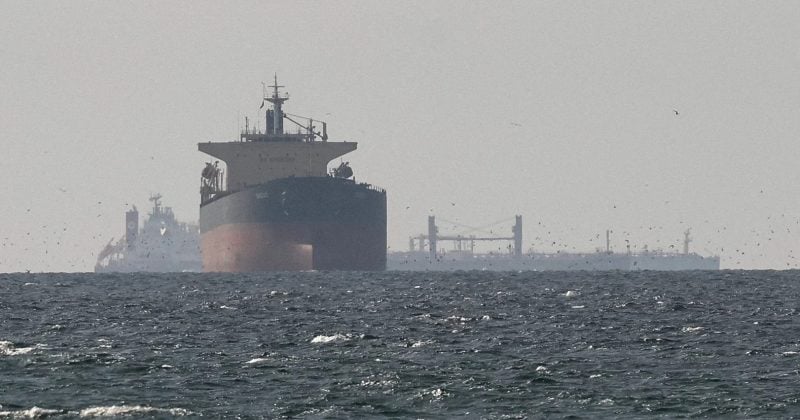
Rising tension around Iran is increasing concern over a key Saudi oil export route, with the Strait of Hormuz once again at the center of global market attention. Reports of ongoing attacks in the area have highlighted how exposed energy shipments can be when conflict threatens one of the world’s most important chokepoints.
Saudi Arabia is a major oil exporter, so any risk to flows through the Strait of Hormuz can quickly influence global crude markets. Even without a full shutdown, heightened security threats can unsettle traders, disrupt shipping patterns, and add pressure to energy prices.
The broader worry is that a prolonged period of instability could ripple far beyond the region. Higher oil prices can feed inflation, raise transport and production costs, and create added uncertainty for economies already dealing with fragile growth conditions.
For now, the focus remains on whether the Iran conflict leads to a deeper disruption in Gulf energy transport. As attacks continue to raise alarms around the Strait of Hormuz, markets are watching closely for signs that geopolitical risk could turn into a more direct supply problem.