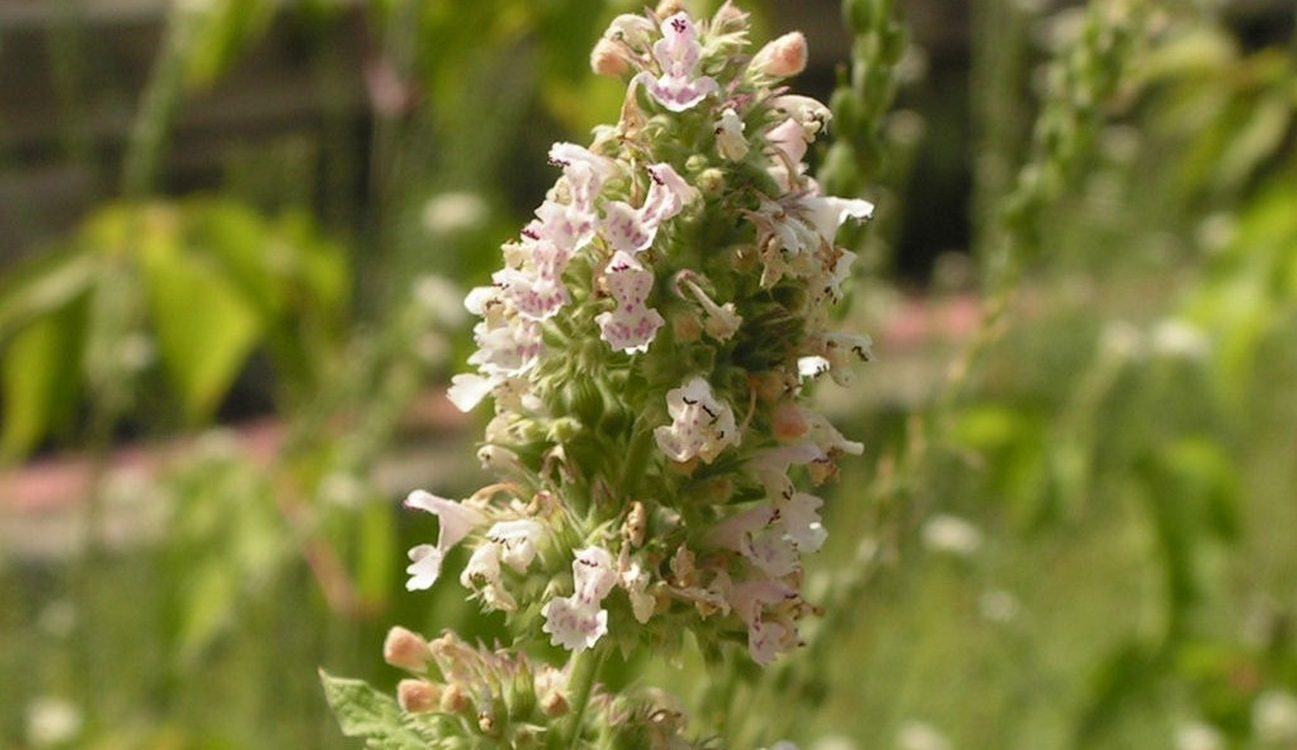
A lotion made from homegrown catnip plants has shown strong results as a mosquito repellent in rural Uganda, according to findings highlighted by Good News Network. The report says the catnip-based formula performed as well as DEET, one of the most widely used ingredients in insect repellents.
Catnip is best known for the reaction it triggers in cats, but researchers have also linked the plant to mosquito control. The report notes that compounds in catnip appear to disrupt the insects’ sense of smell, making it harder for them to locate people.
That could make catnip especially useful in places where affordable, locally sourced protection is important. A repellent made from plants that can be grown at home may offer communities a practical alternative to commercial products, particularly in rural settings where mosquitoes remain a major concern.
The Uganda results point to the broader potential of plant-based repellents in public health. While DEET remains a standard option, the catnip lotion findings suggest that a locally produced solution may deliver comparable protection while relying on a readily available crop.