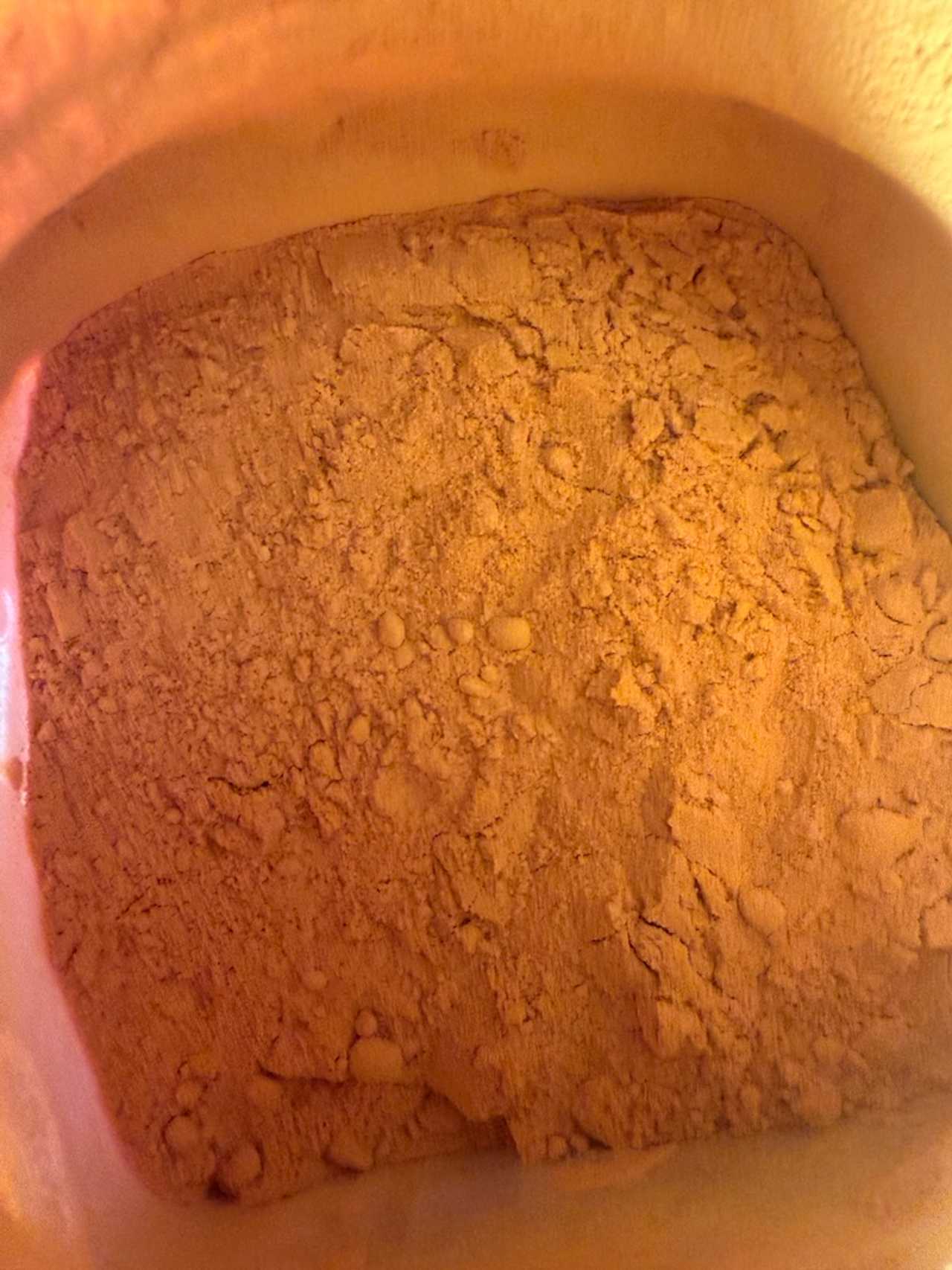
A new laboratory study is putting curcumin, a compound linked to the common kitchen spice turmeric, in the spotlight for its possible effects on cancer cells. The research, highlighted as an early-stage finding, looked at how several plant-based compounds behaved under controlled lab conditions.
According to the study published in the International Journal of Molecular Sciences, researchers tested five plant-derived compounds against mouse fibrosarcoma cells as well as normal rat muscle cells. That setup allowed the team to compare how the substances acted on cancer-related cells versus healthy cells in a preclinical experiment.
The report is attracting attention because turmeric is a widely used household spice, and curcumin has been studied for years for its biological activity. In this case, the interest comes from what happened in cell-based testing, not from evidence in patients or from a proven cancer treatment.
As with many early cancer studies, the findings are best viewed as a starting point for more research. Results seen in isolated cells do not automatically translate to the same effect in people, but the study adds to ongoing scientific interest in whether compounds from everyday foods and spices could play a future role in medical research.