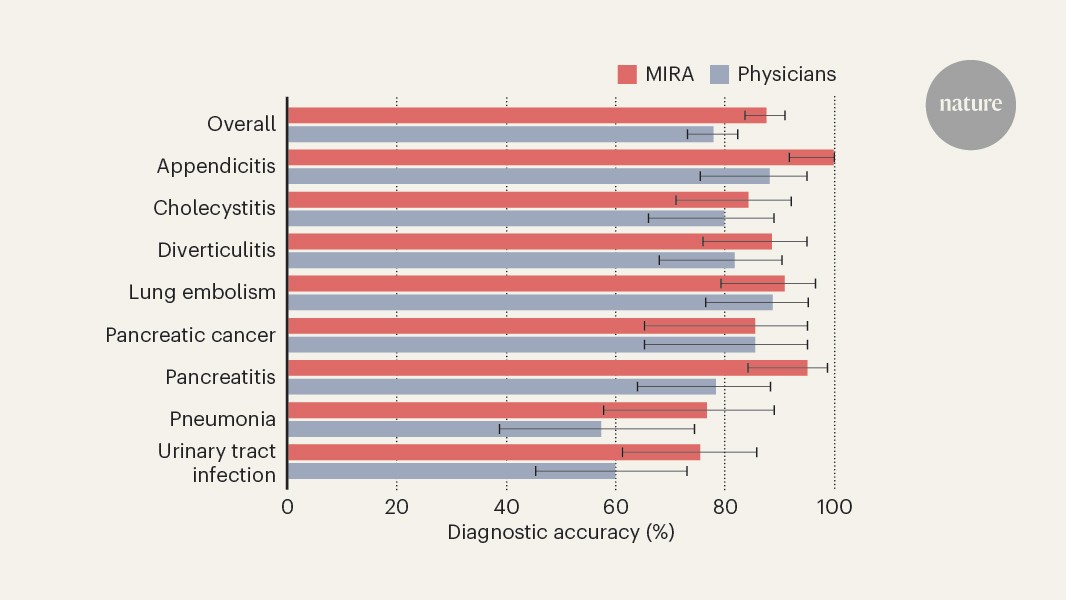
A new Nature report on two medical AI assistants draws attention to a central issue in healthcare technology: progress in building these systems is moving quickly, but agreement on how to judge them is not. The article suggests that the biggest challenge is no longer only creating capable tools, but deciding what counts as meaningful success in medical settings.
That question matters because medical AI can appear strong on selected tests while still falling short in practice. Researchers and clinicians need ways to compare systems that go beyond narrow benchmarks and reflect whether an assistant is accurate, dependable and genuinely useful in real clinical work. Without clear standards, it becomes harder to know which tools are ready for broader use.
The discussion also highlights a wider tension in healthcare AI development. New models may improve rapidly, yet the methods used to assess them can lag behind. If evaluation frameworks are incomplete, performance claims can be difficult to interpret, especially when patient safety and medical decision-making are involved.
Nature's focus on these two medical AI assistants underscores that validation may become as important as innovation itself. As more AI tools enter medicine, the field will likely need better shared measures for effectiveness, reliability and real-world impact before their value can be judged with confidence.