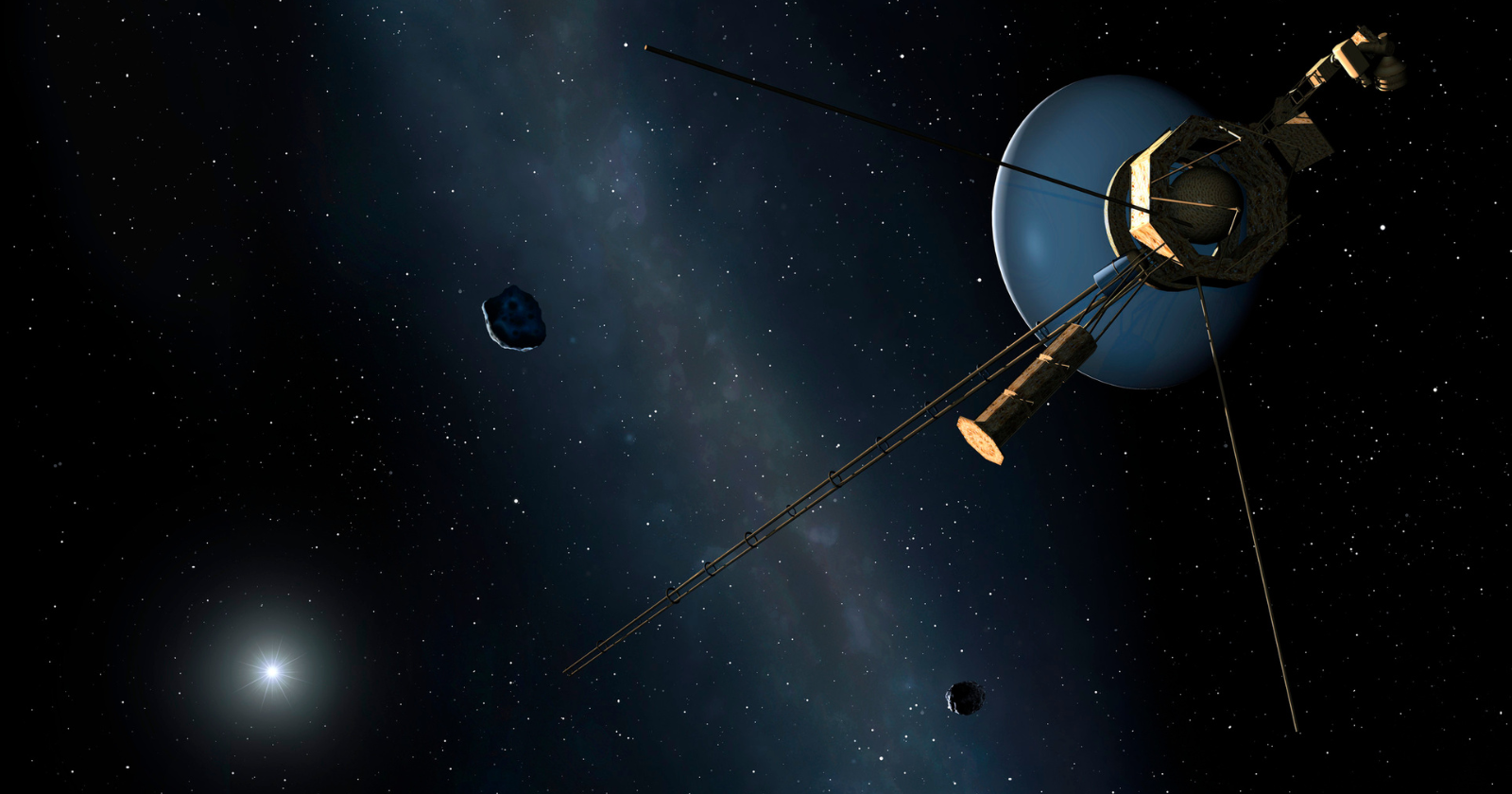
NASA’s New Horizons spacecraft has powered back on after its longest hibernation so far, allowing the mission to continue its work deep in the outer solar system. The probe, best known for transforming scientists’ understanding of Pluto, is now operating billions of miles from Earth as it pushes farther into a largely unexplored region beyond the dwarf planet.
The spacecraft previously delivered historic close-up views and data from Pluto and other distant objects, giving researchers an unprecedented look at some of the solar system’s most remote worlds. Its reactivation marks the next phase of a mission that continues to study the distant frontier where few spacecraft have ever traveled.
Long hibernation periods help preserve onboard systems and manage power during the long stretches between major science activities. With New Horizons awake again, NASA can prepare for additional observations and mission tasks as the spacecraft continues its extended journey through the cold, dark outer reaches of the solar system.
The milestone highlights the durability of the spacecraft and the long-term value of missions designed to explore beyond the planets most commonly studied. As New Horizons moves onward, it remains one of NASA’s key tools for learning more about the remote objects and conditions that shaped the early solar system.