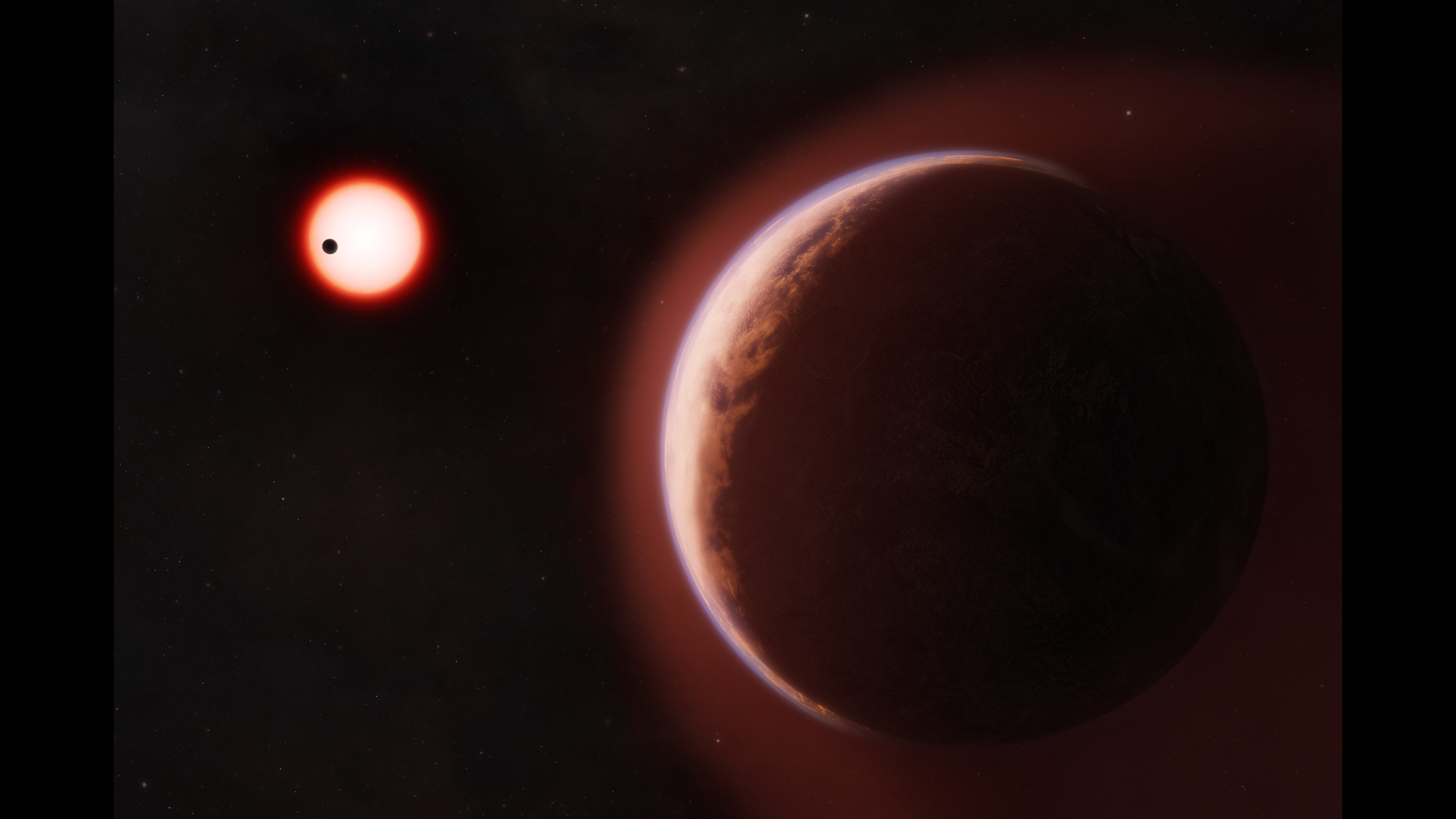
Astronomers say they have identified what appears to be the first atmosphere surrounding a rocky, Earth-like planet located in its star’s habitable zone. The finding stands out because rocky worlds in this region are among the most important targets in the broader search for potentially life-friendly environments beyond our solar system.
A habitable zone is the area around a star where temperatures may allow liquid water to exist under the right conditions. Detecting an atmosphere on a small, solid planet in that zone adds an important new piece to the puzzle, since an atmosphere can influence surface conditions, climate, and the planet’s overall potential to support life.
Researchers described the result as especially exciting for astrobiology, habitability studies, and the ongoing effort to understand where life might emerge elsewhere in the universe. While the presence of an atmosphere does not mean a planet is inhabited, it does make the world a more compelling subject for future observation.
The discovery highlights how exoplanet science is moving beyond simply finding distant worlds and toward studying their environments in greater detail. As astronomers continue to examine rocky planets in habitable zones, atmospheric detections like this could help narrow down the most promising places to investigate further.