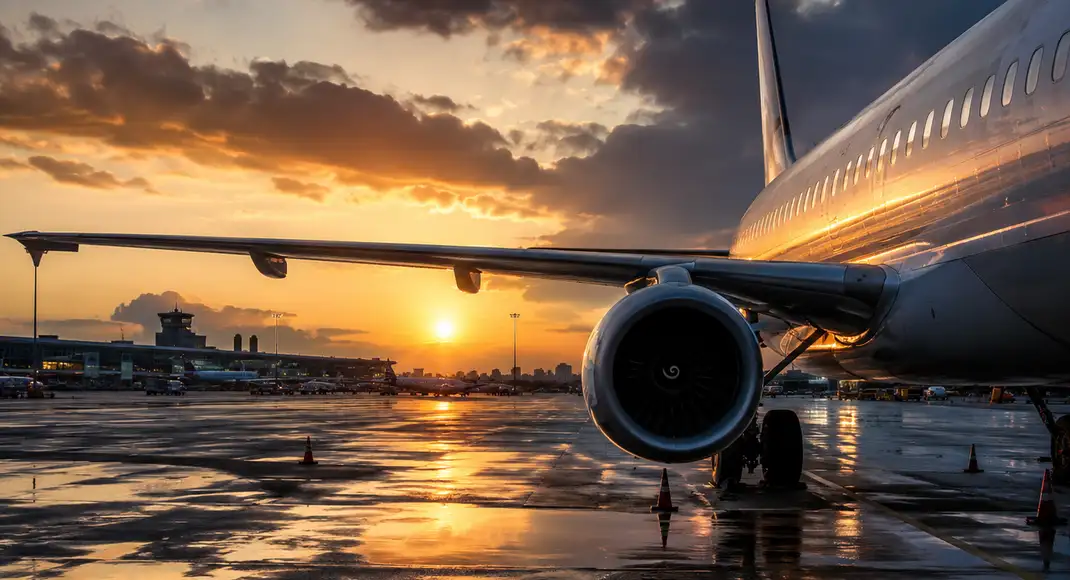
India's aviation market is seeing stronger demand than ever, but the headline question is whether Adani — or any owner — can overcome the harsh economics of the airline business. The contrast is stark: more people are flying, yet many aircraft still end their lives idle on the tarmac. That gap, as the piece suggests, explains why aviation remains one of the hardest industries to turn into a consistently profitable business.
The core issue is that rising passenger numbers do not automatically produce healthy margins. Airlines operate with heavy fixed costs, expensive assets and constant pressure on pricing. Even in a fast-growing market like India, growth can mask structural weakness if fares stay competitive while operating costs remain high.
That is why ownership alone may not change the outcome. Whether the airline is backed by a large infrastructure group or another investor, the underlying math of the sector stays the same. Strong branding, scale and access to capital can help, but they do not remove the industry's basic vulnerability to thin margins and asset deterioration over time.
The broader takeaway is that India's air travel boom is real, but it does not erase the business model's long history of stress. More flights and more passengers may create opportunity, yet the sight of retired aircraft on Indian tarmacs is a reminder that aviation rewards discipline as much as ambition.