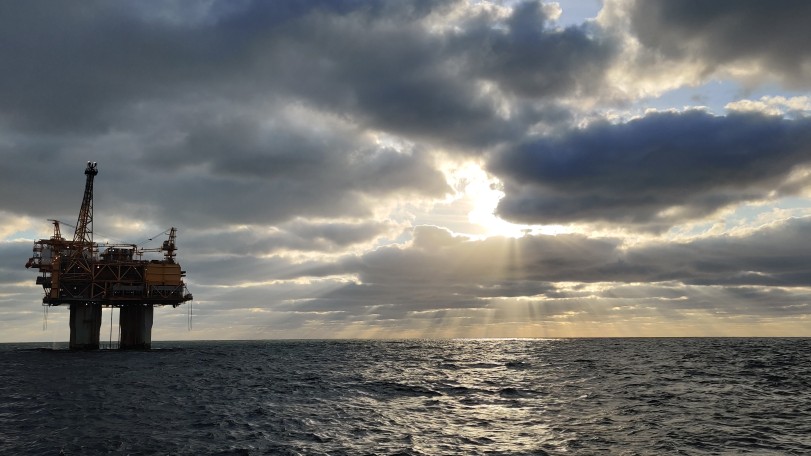
Guyana’s oil boom has become a much bigger global story than many expected when crude was first discovered off its coast. The small South American nation, with a population of about one million, moved from first discovery to first oil in only four years, an unusually fast shift that changed its place in regional and international energy markets.
That speed matters because Guyana is no longer just an emerging producer. It has rapidly established itself as a significant oil exporter, giving it new economic importance at a time when supply, prices and energy security remain major concerns for importers and producers alike. For a country once known more for its size and colonial history than for hydrocarbons, the transformation has been striking.
The country’s rise also matters beyond its borders. As global fuel costs and oil market volatility continue to shape economic policy, new and reliable sources of crude can carry outsized importance. Guyana’s growing role adds another layer to South America’s energy map and gives traders, governments and investors a new producer to watch closely.
For Guyana itself, the boom represents both a major opportunity and a defining test. Oil wealth can reshape public finances, infrastructure and long-term development, but it also raises questions about how quickly growth can be managed and how durable that new prosperity will be. What is clear is that Guyana has moved from a little-known frontier market to a country with real weight in the oil conversation.