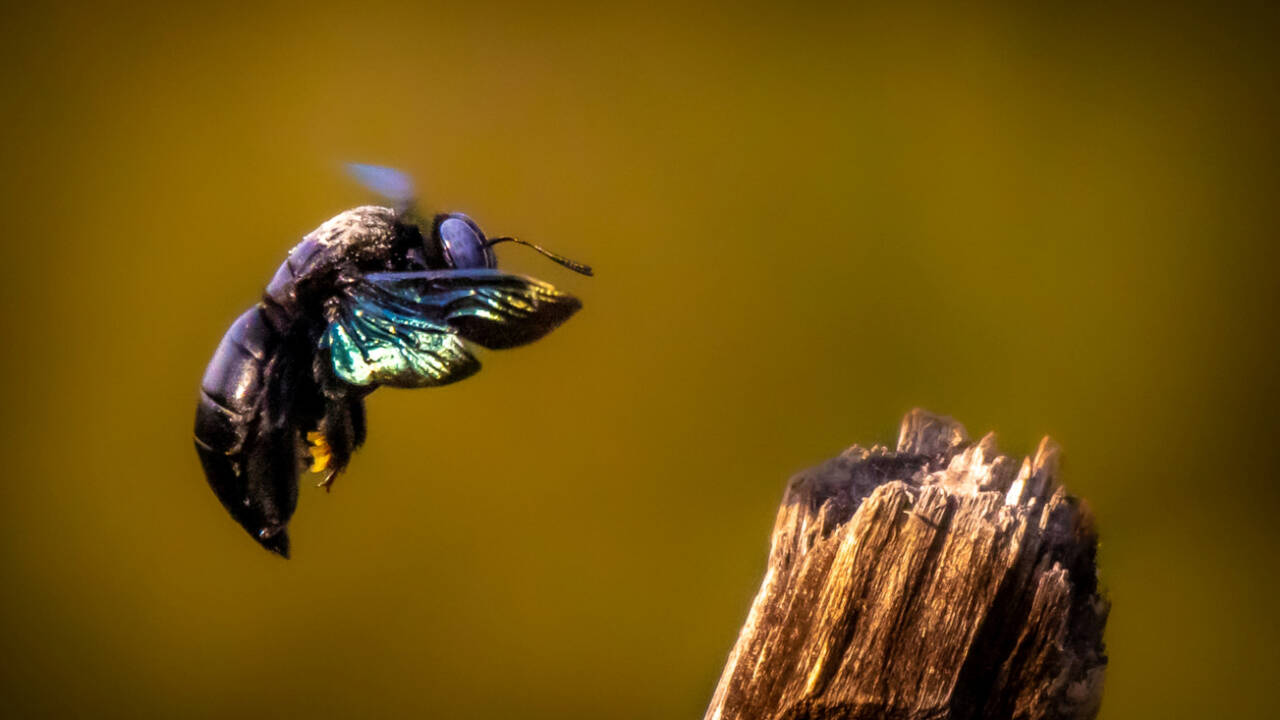
New research suggests that low-level exposure to a widely used modern pesticide may affect bumblebees in ways that are not obvious from survival alone. In the study, the bees lived after exposure, but scientists found changes in gene activity, pointing to possible hidden biological effects.
Bumblebees are among the most important pollinators in the world, supporting the growth of many crops as well as wild plants. Because of that role, any sign that pesticides could disrupt bee health has broad implications for food production and ecosystems.
The findings highlight a key concern in pesticide research: an insect may survive exposure, yet still experience changes at the molecular level. If genes tied to important body functions are altered, the impact could extend beyond immediate death rates and affect how well bees cope with stress or carry out normal processes.
The study adds to growing interest in the effects of so-called sublethal pesticide exposure, where chemicals do not kill pollinators outright but may still interfere with their biology. Researchers say such results underline the need to look beyond short-term survival when assessing risks to bees.