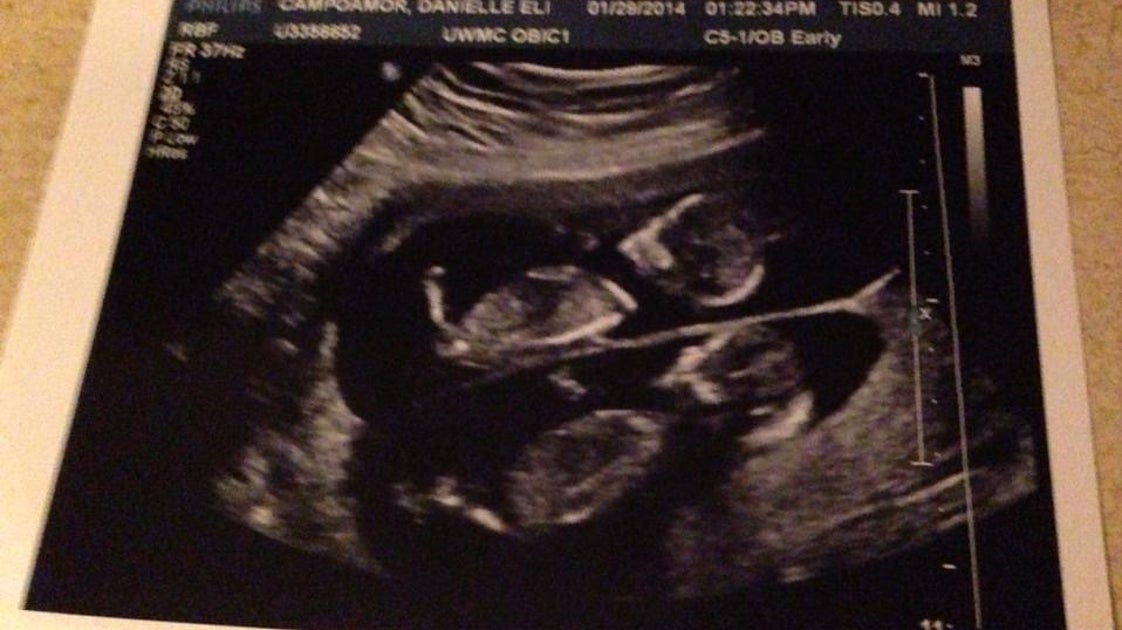
Elle Crofton was 37 when she finally held her son, a milestone shaped by a cancer diagnosis she received much earlier in life. According to the report, she spent her 25th birthday at The University of Texas MD Anderson Cancer Center waiting for doctors to confirm what was wrong, turning questions about her future into immediate medical decisions.
The story highlights how cancer can abruptly change family planning, especially for younger patients. Instead of thinking about children on a distant timeline, many people diagnosed in their 20s and 30s have to weigh fertility concerns right away, often while also coping with fear, uncertainty and the start of treatment.
That pressure is becoming more relevant as cancer diagnoses are rising among younger people. The trend is forcing more patients and doctors to address whether treatment could affect the ability to have children later, making fertility preservation and reproductive planning part of the conversation from the beginning.
Crofton’s experience reflects a broader shift in cancer care for younger adults: survival is not the only issue patients are thinking about. For many, the diagnosis also reshapes decisions about relationships, timing and the possibility of building a family after cancer.