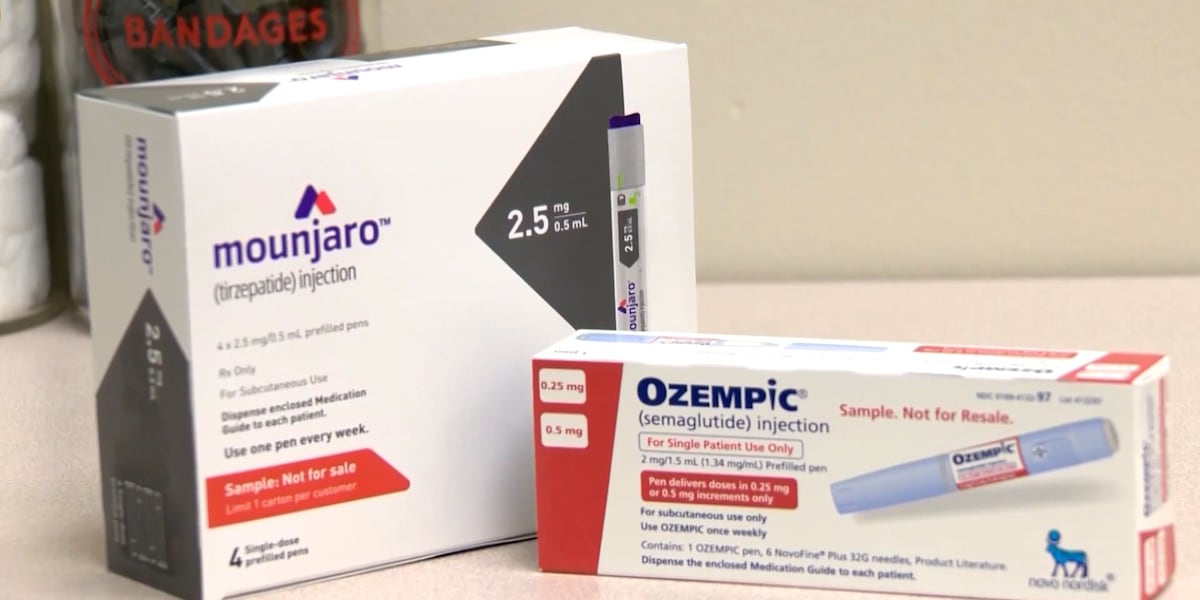
GLP-1 weight loss drugs have become far more common in the U.S., and a Gallup poll cited in the report shows just how quickly use has risen. According to the survey, 6% of people questioned had used a GLP-1 drug in 2024, and that figure later climbed to 15%, reflecting the surge in interest around these medications.
As use grows, experts are also drawing attention to what can happen when treatment stops. The main concern highlighted in the report is that keeping weight off after stopping GLP-1 drugs may be difficult for some patients, especially if they do not have a longer-term plan in place.
Health specialists say the medications are only one part of weight management. Their warning points to the need for ongoing habits and medical support that can continue even if a patient no longer takes the drug. Without that structure, maintaining earlier progress may become more challenging.
The report underscores a broader shift in the conversation around GLP-1 drugs: not only whether they help people lose weight, but how patients handle the period after treatment ends. With demand still rising, experts say expectations about long-term weight maintenance are becoming an increasingly important part of the discussion.