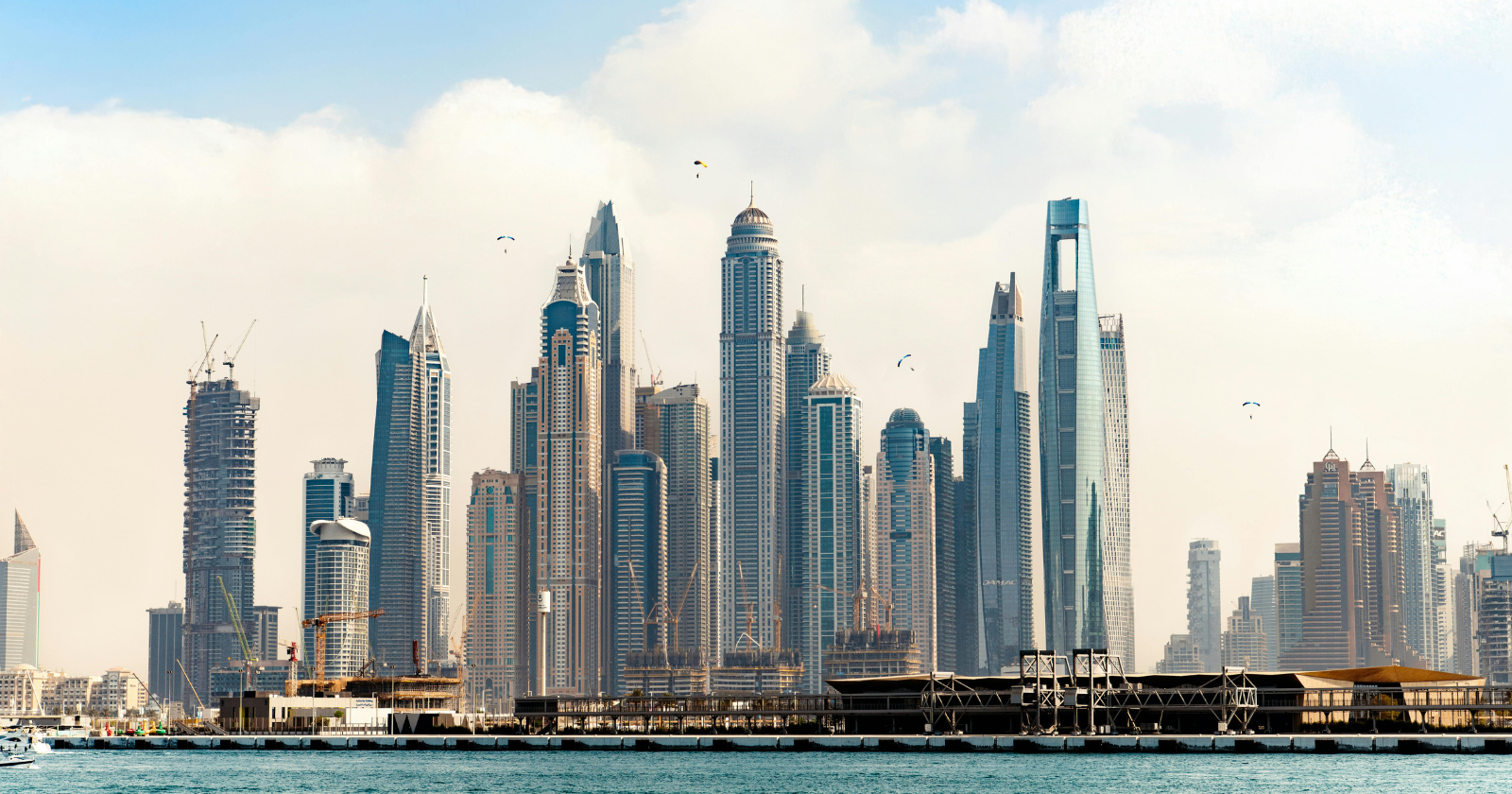
The United Arab Emirates is now counted among the world’s higher-income countries, a striking change for a region that was once known for deep poverty before oil. The contrast is especially sharp in economic terms: global output averages about $25,000 per person each year, while the UAE stands at roughly $79,000 per person in 2024.
That shift happened within a single generation, turning a harsh desert society marked by subsistence living into one of the wealthiest and most urbanized places on Earth. The scale and speed of the change make the UAE one of the clearest modern examples of how natural resource wealth can rapidly reshape a country’s economy and daily life.
Oil sits at the center of that story, providing the foundation for a dramatic rise in national income and large-scale urban development. What was once one of the poorer corners of the world has been remade into a highly modern state with living standards far above the global average.
But the UAE’s transformation also raises harder questions about sustainability and the long-term path ahead. As the country’s wealth and urban growth continue to draw attention, the bigger issue is no longer just how the UAE became rich, but what comes next in a world increasingly focused on durability, resilience and life beyond oil.