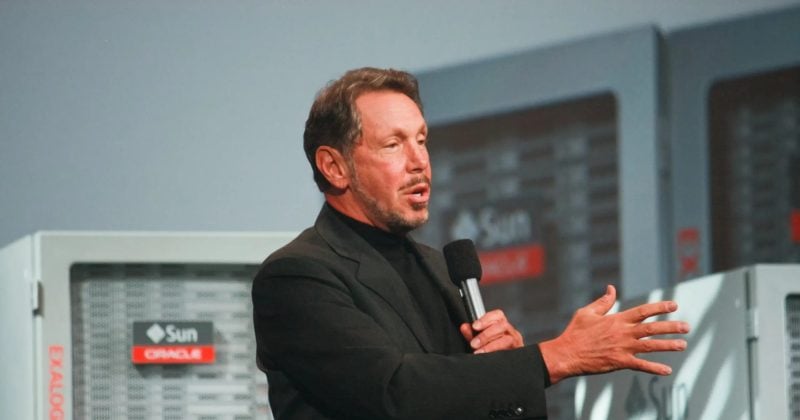
Larry Ellison’s roughly 41% ownership of Oracle is drawing fresh scrutiny from investors who see concentrated control as a growing risk for shareholders. The concern is not simply the size of the stake, but what that level of influence means for board oversight, strategic discipline, and the market’s willingness to give Oracle a premium valuation.
The debate appears to have intensified after a steep stock decline and renewed attention on Ellison’s unconventional pursuits, including interest tied to TikTok. For some investors, those developments raise a broader question: whether Oracle is being shaped too heavily by one powerful figure, even as public shareholders bear the volatility.
Large founder stakes can align leadership with long-term performance, but they can also complicate governance. In Oracle’s case, critics appear to worry that Ellison’s influence may limit checks and balances, making it harder for investors to assess how independent the company’s decision-making really is. That kind of uncertainty can weigh on confidence, especially when markets are already trying to judge Oracle’s next phase of growth.
The result is a tougher valuation story. Even if Oracle’s business prospects remain important to the investment case, governance concerns can become a discount factor when ownership is so concentrated. As investors reassess the company, Ellison’s outsized role is increasingly being viewed not just as a defining feature of Oracle, but as a possible shareholder problem.