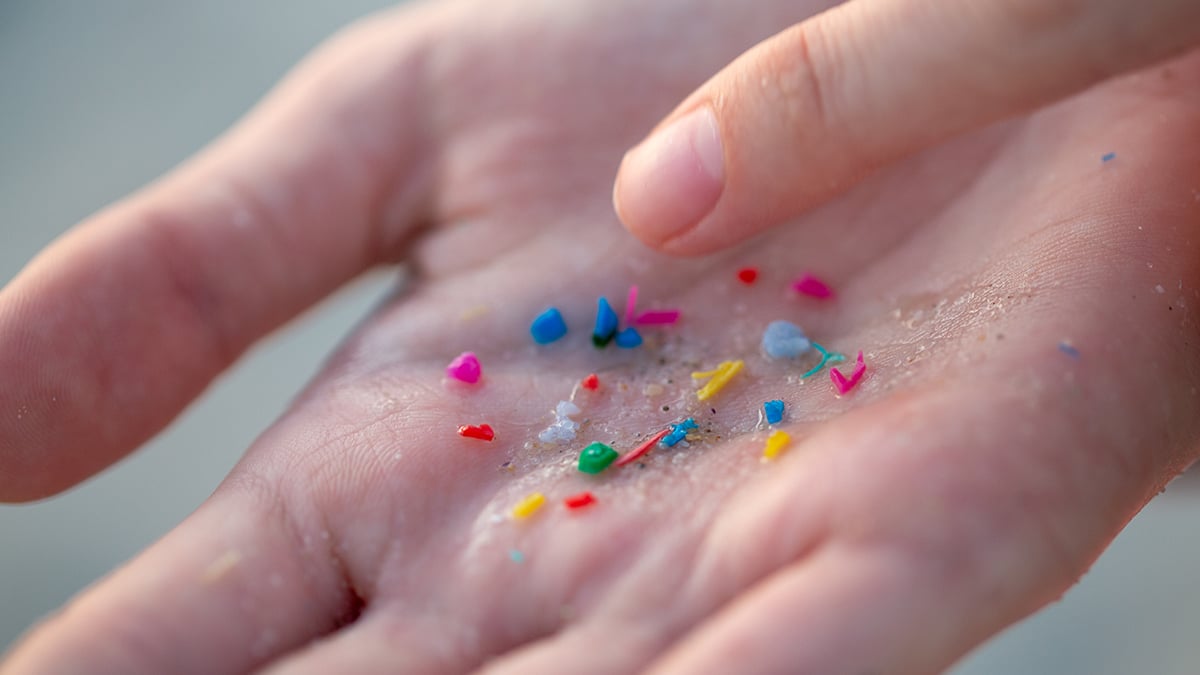
A Washington Post report highlights six simple swaps that helped reduce one family’s exposure to microplastics in food. The idea is not to overhaul a diet completely, but to make practical changes that scientists say can lower contact with plastic during shopping, storage and meal prep.
The piece notes that even people who already eat a healthy diet may still be looking for ways to cut down on hidden sources of plastic. The example described includes a routine built around fruits, vegetables, beans, fiber-rich plants and lean proteins such as fish, tofu and poultry, along with fermented foods like yogurt.
According to the report, some of the most useful changes involve relying less on plastic food containers and reducing canned foods. Those shifts can help limit how often food comes into contact with packaging materials that may contribute to microplastic exposure.
The overall message is that lowering microplastics in food does not have to mean extreme rules. Small, everyday substitutions in the kitchen and grocery cart can add up, especially for families trying to keep healthy eating habits while reducing unnecessary plastic exposure.