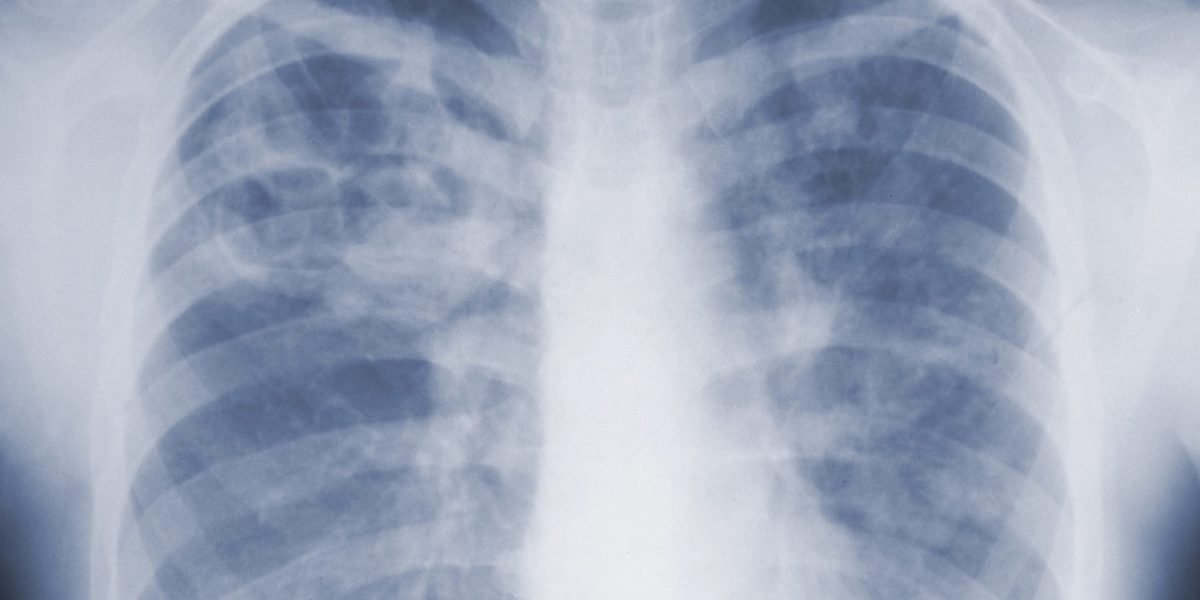
A first-of-its-kind CDC study suggests invasive mold infections may be a more serious public health threat than many people realize. The research points to these infections killing about one in three patients, offering one of the clearest estimates so far of how dangerous severe mold-related illness can be.
The study focused on cases identified in hospitals in the Atlanta area, where researchers found about 450 infections. That count adds to concerns that invasive mold disease may be underrecognized, especially because it can affect very sick or medically vulnerable patients and may not always receive broad public attention.
The findings are notable because U.S. data on the toll of invasive mold infections has been limited. By putting a number on both cases and deaths, the CDC study helps frame the scale of a problem that experts have warned may be larger than previously understood.
Researchers also pointed to climate change as a factor that could make mold-related health risks worse over time. As environmental conditions shift, exposure patterns and the spread of harmful fungi may change as well, raising the stakes for hospitals, public health agencies and patients at higher risk.