US economic growth lost momentum in the second quarter of 2026, with gross domestic product rising 1.5 percent from April to June. The slowdown came as inflationary pressures increased and the country faced a growing deficit, adding to concerns about the strength of the expansion.
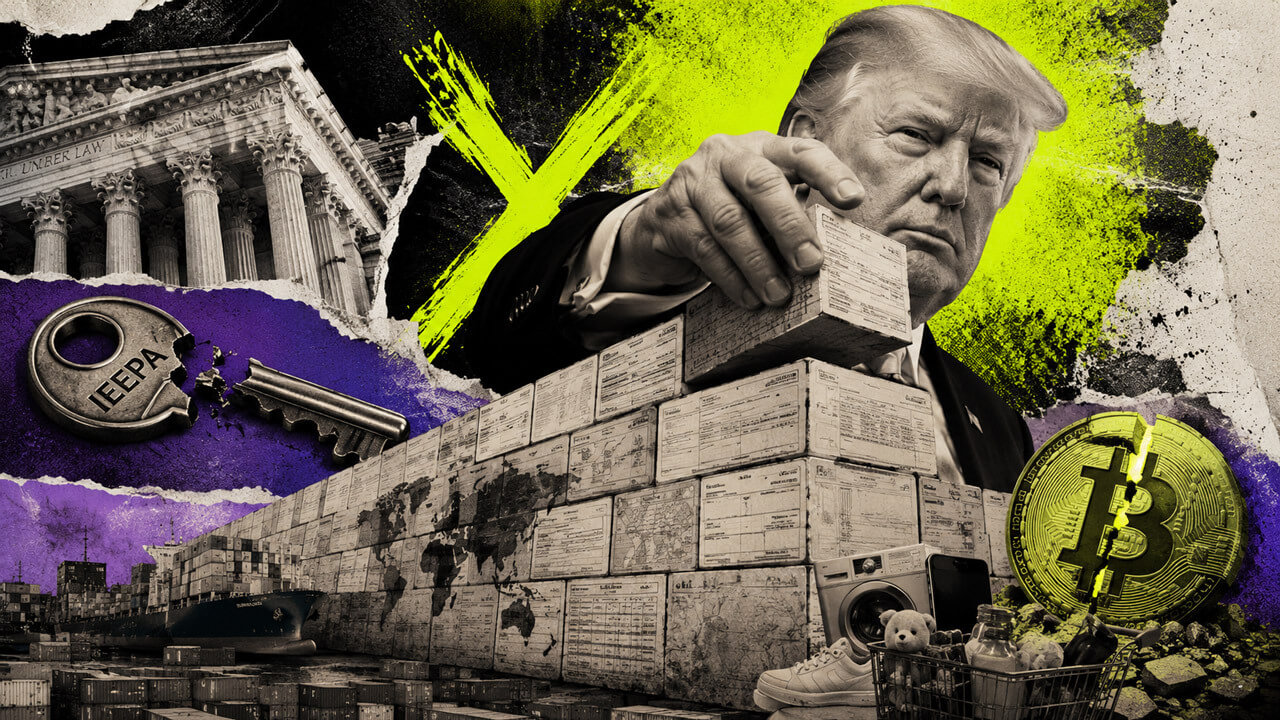
The main reason highlighted for the weaker performance is a supply shock tied to tariffs and higher oil prices. Tariffs can raise the cost of imported goods and materials, while more expensive energy pushes up transportation and production costs across the economy. When businesses face higher costs, output can slow even as prices keep rising.
That combination is especially difficult because it weakens growth and fuels inflation at the same time. Households can lose purchasing power as everyday expenses climb, and companies may hold back on investment if margins are squeezed. In that environment, stronger headline growth becomes harder to achieve.
A reversal would likely depend on easing those supply-side pressures. More stable oil prices, less tariff-related strain and measures that help cool inflation could improve conditions for businesses and consumers. Until those cost pressures begin to fade, US growth may remain under pressure.