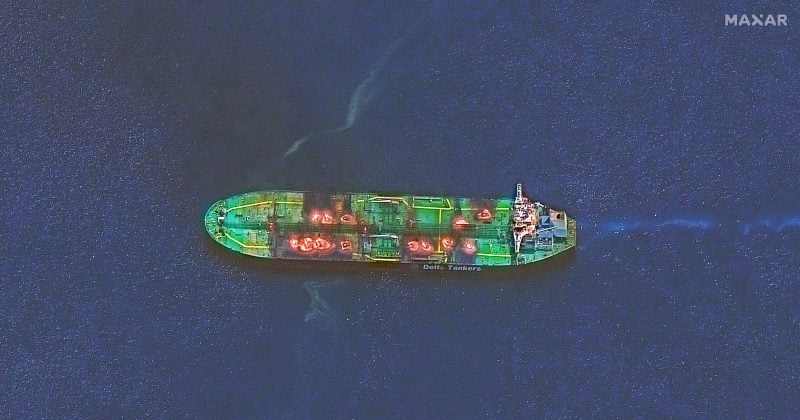
Two tankers carrying Saudi crude for India have reportedly left the Red Sea after switching off their AIS transponders, a move often described as going “dark.” The reported step highlights the elevated security concerns surrounding one of the world’s most important energy shipping routes.
The development points to the growing pressure on vessels moving through the Red Sea, where risk calculations are increasingly shaping how cargo is transported. When ships limit visibility of their movements, it can signal efforts to reduce exposure, but it also draws attention to the seriousness of current conditions.
For India and other Asian markets, any disruption involving Saudi oil shipments matters because delays or route changes can affect delivery schedules and freight costs. Higher security risks in the Red Sea may force shipping operators to adjust transit plans, which can make oil transport more expensive and less predictable.
While the full operational details were not disclosed in the available report, the incident adds to broader concerns about the stability of vital shipping lanes. If such precautions become more common, energy markets in Asia could face continued uncertainty over timelines, insurance costs and supply-chain efficiency.