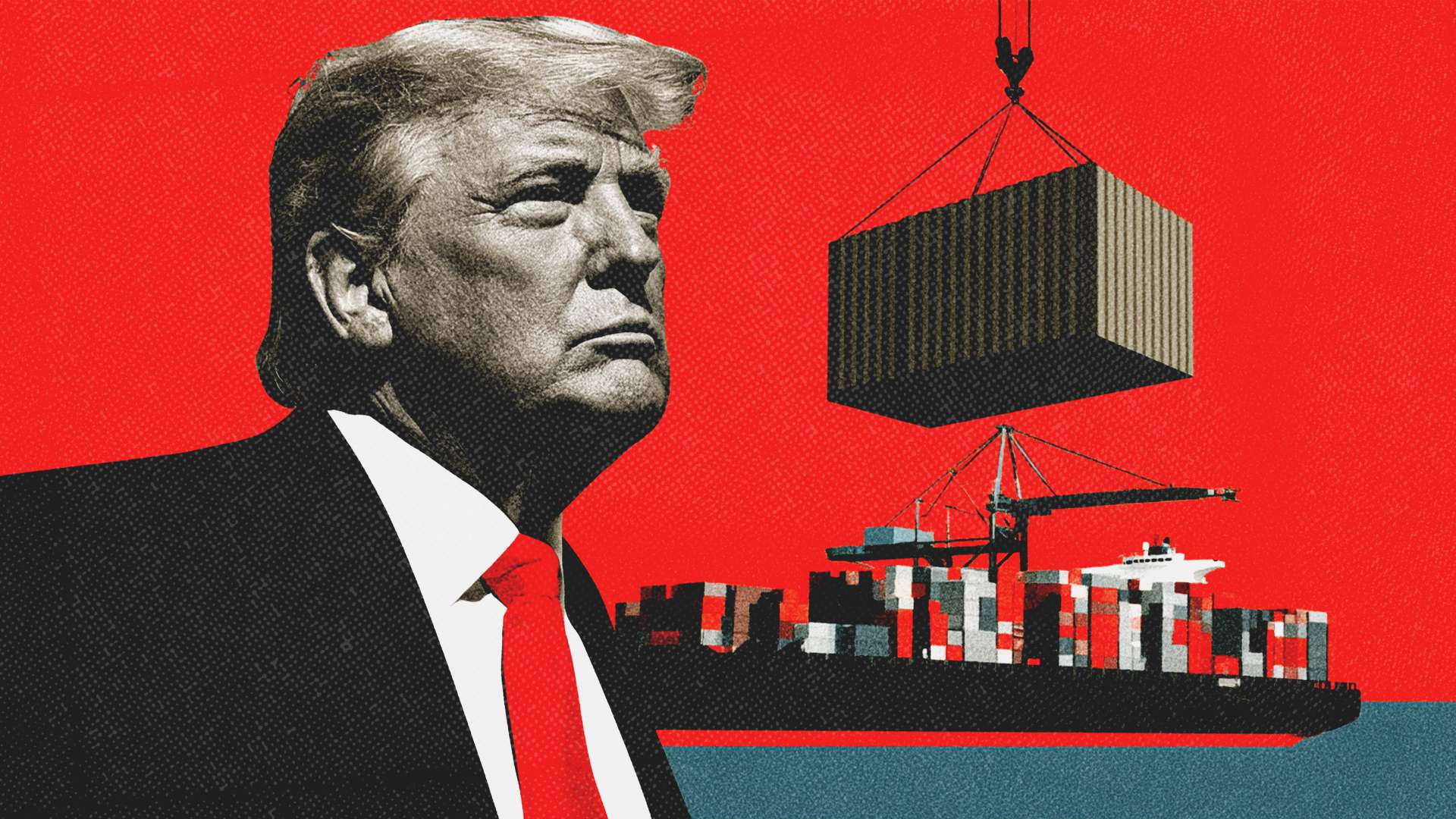
A new estimate highlighted in the report says President Donald Trump’s tariff policies could cost the average American household about $900 in 2026. The argument is that import duties work like a tax, pushing up costs for goods and materials that are ultimately paid by consumers.
The article describes Trump’s protectionist approach as the largest tax increase since 1993 and says the policy momentum is continuing rather than fading. Even with court setbacks affecting parts of the tariff agenda, the broader trade push appears to be moving ahead.
The snippet also notes that Trump has recently authorized additional tariffs tied to countries accused of using forced labor. That suggests the administration is continuing to widen its use of tariffs through both general trade policy and more targeted actions linked to labor and supply-chain concerns.
The broader debate centers on who absorbs the cost of tariffs. Supporters see them as a tool to pressure foreign producers and protect domestic industry, while critics argue the added costs flow through to US businesses and families. In this estimate, the household impact becomes more visible in 2026 as the tariff burden builds.