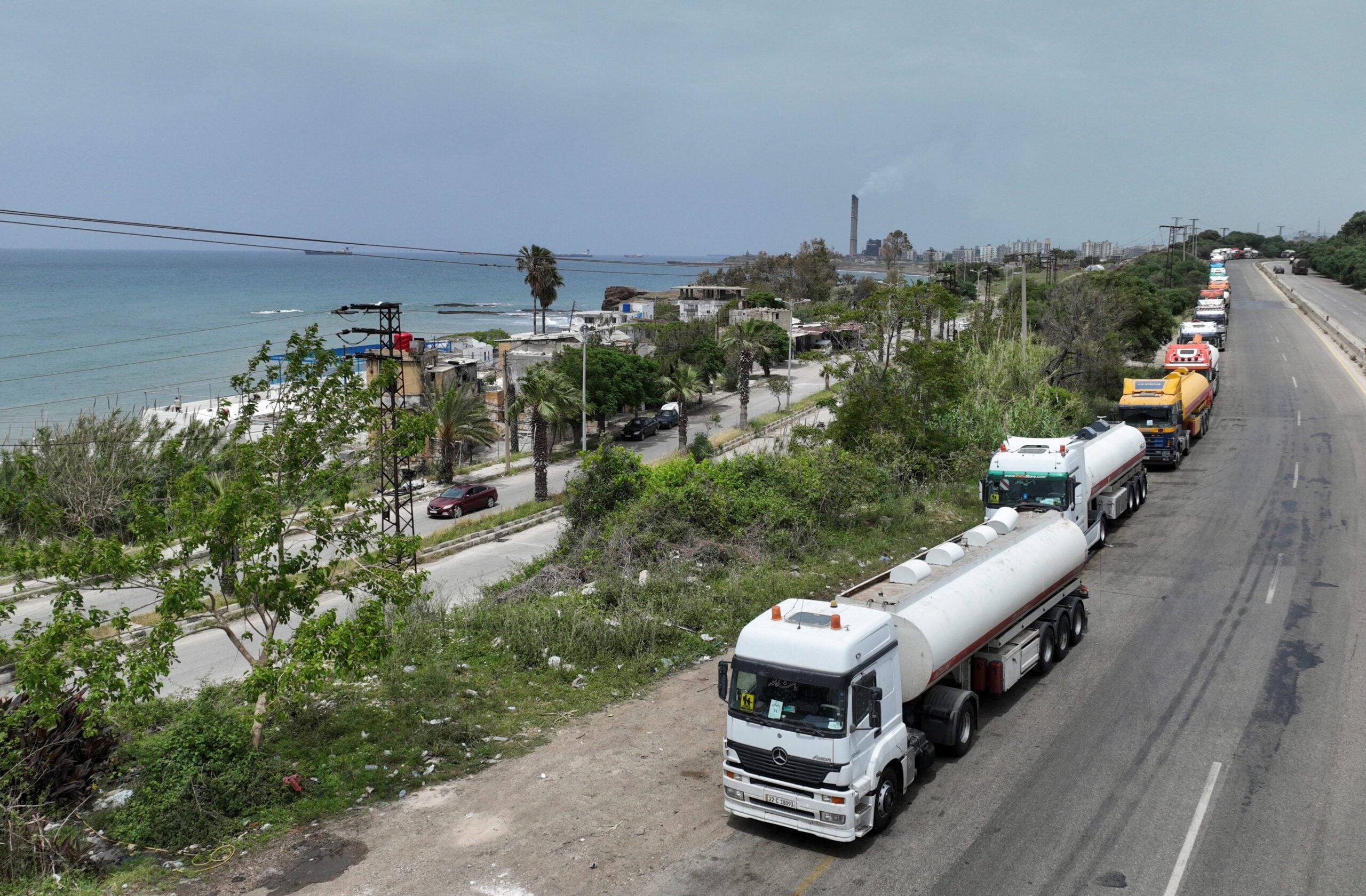
Iraq is relying on thousands of trucks to move fuel oil through Syria, a notable shift in regional energy logistics. The route suggests Baghdad is looking for alternatives that reduce exposure to the risks associated with the Strait of Hormuz, one of the world’s most important chokepoints for oil shipments.
The trucking operation points to the longer aftereffects of earlier disruption fears around Hormuz. Even when flows through the Gulf remain open, the legacy of those concerns can push exporters and traders to build backup routes, diversify transport options and avoid overreliance on a single corridor.
Using road transport on such a large scale also highlights the pressures facing energy producers when maritime routes become less certain. Moving fuel oil by truck is typically more complex and costly than seaborne shipments, but it can offer flexibility when regional security concerns or bottlenecks change the economics of trade.
The development underscores a broader trend in Middle East energy markets: strategic rerouting is becoming part of normal planning. Iraq’s use of Syria as a transit path shows how geopolitical risk continues to shape where oil products move and how they reach buyers.