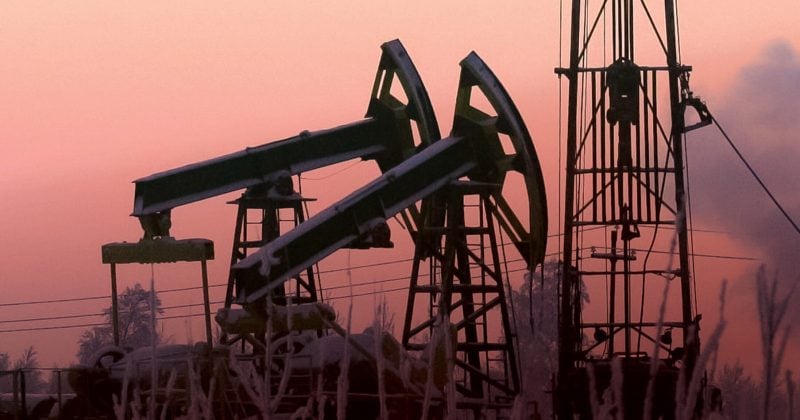
Russia has extended restrictions on diesel and gasoline exports, a move that keeps more fuel inside the country and could ripple through global energy markets. Reports indicate the broader export bans now run until January 2027, while Deputy Prime Minister Alexander Novak said gasoline limits will remain in place through the end of the year.
The policy comes as Russian refinery operations continue to face disruption from Ukrainian drone strikes. By limiting overseas sales, Moscow appears focused on protecting domestic supply and reducing the risk of shortages at home while repairs and production adjustments continue.
For international markets, the decision could tighten available fuel supplies, especially for diesel, which is closely watched by transport, industry and agriculture. Any prolonged restriction from a major producer can influence trade flows, raise uncertainty for buyers and add upward pressure to prices during periods of strong demand.
The extension also adds another layer of volatility to the broader energy outlook. With refinery disruptions still affecting output and export limits staying in place, traders and importers will be watching Russia's fuel policy closely for signs of further pressure on supply stability.