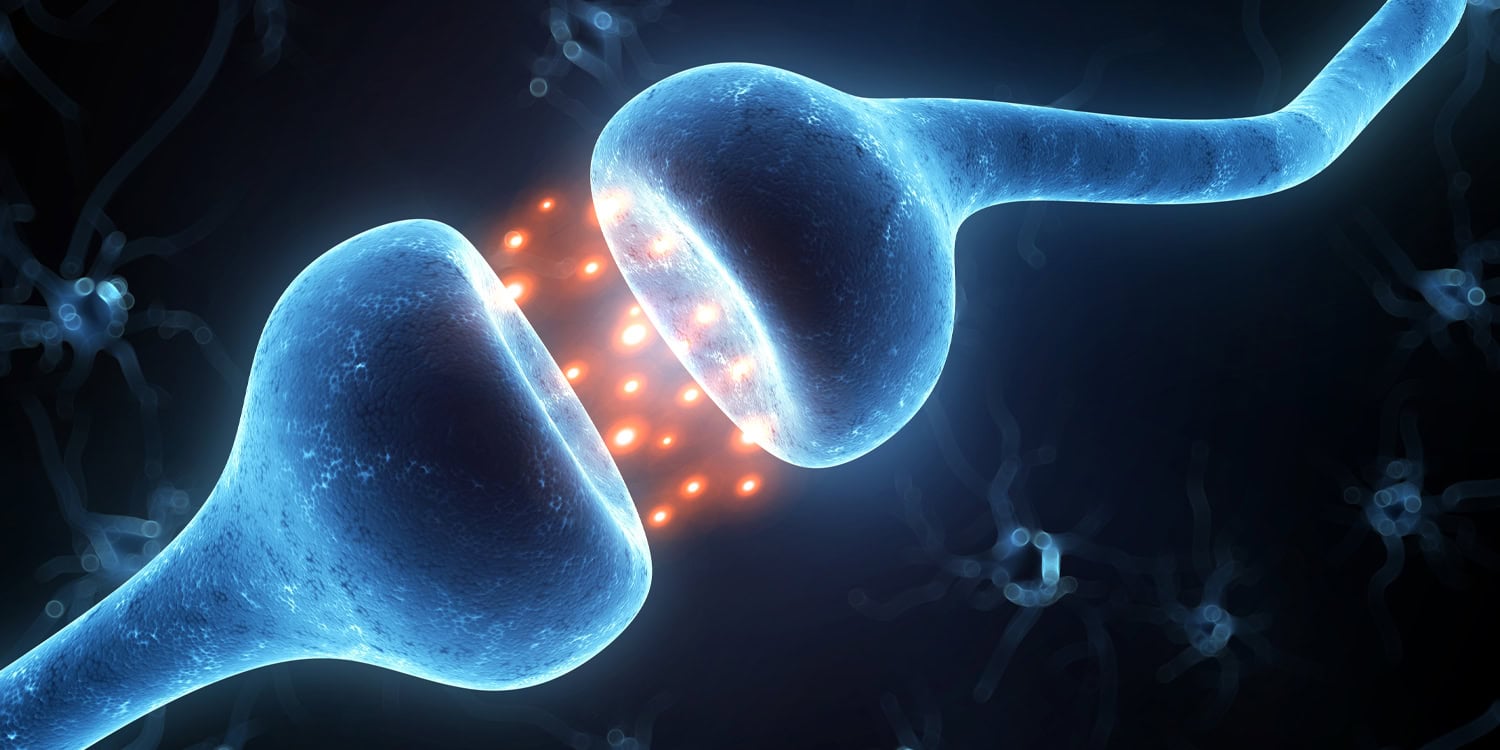
A recent study published in eBioMedicine suggests that long COVID may be linked to measurable changes in the brain’s dopamine system. According to the report, people with persistent post-COVID symptoms showed a reduction in dopamine-releasing neurons, pointing to a possible biological basis for some of the condition’s ongoing neurological effects.
The dopamine system plays an important role in motivation, movement, attention, and memory. Researchers say these brain changes were associated with symptoms often reported in long COVID, including apathy, memory difficulties, and slowed physical responses. The findings add to growing evidence that long COVID is not only a collection of vague complaints, but may involve observable changes in brain function.
The study is notable because it connects long COVID symptoms to a measurable feature inside the brain rather than relying only on patient-reported experiences. That could help explain why some people continue to struggle with cognitive and physical problems long after the initial infection has passed.
While the results do not settle every question about how long COVID develops, they offer a clearer picture of why certain symptoms persist. The research also highlights the need for more investigation into how COVID-related changes in the brain may affect recovery, treatment, and long-term health.