Utah’s fentanyl task force, created in 2024, has focused on major trafficking networks and the seizure of millions of pills. But the group’s work is not limited to large-scale operations. The latest coverage indicates investigators are also paying close attention to lower-level fentanyl dealers.
That approach suggests the state is prioritizing the sellers closest to overdose victims, not just the people higher up in distribution chains. In cases where fentanyl is linked to a death or serious harm, local dealers can become a central part of an investigation.
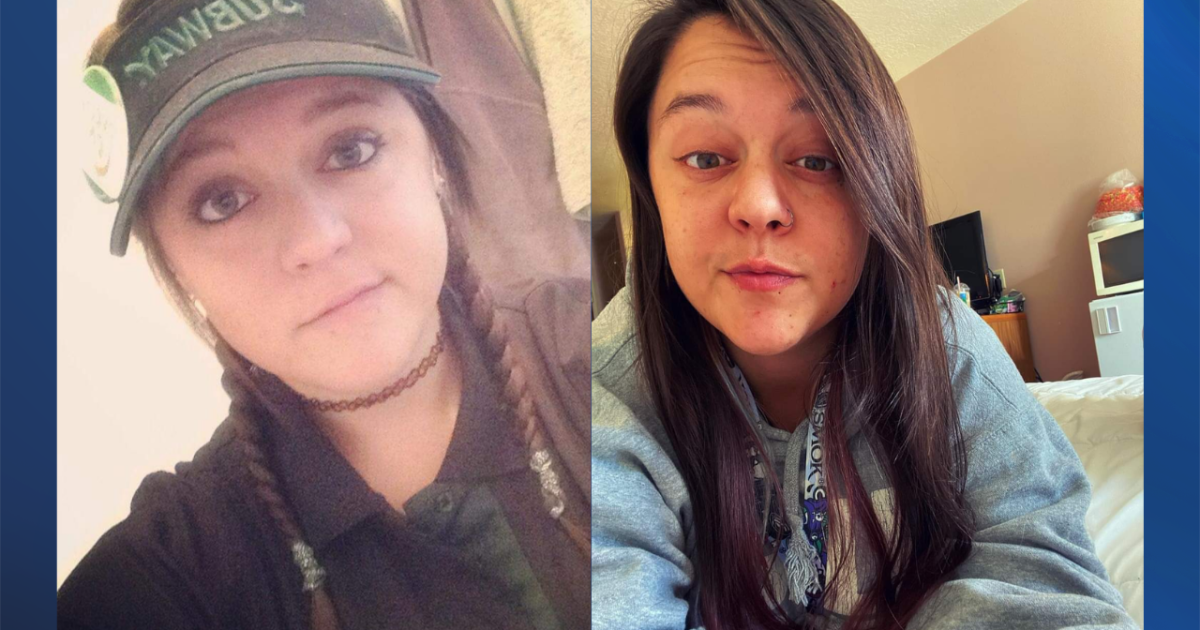
The story highlights the human cost through a case in Cedar City involving Stephanie McDermott and the death of her daughter, Kylee Dittrich-Gray. The account underscores why authorities are looking beyond broad trafficking statistics and examining who supplied drugs in individual overdose cases.
Taken together, the task force’s strategy appears to combine two goals: disrupting larger fentanyl pipelines and pursuing accountability at the street level. In Utah’s response to the fentanyl crisis, that means even small-scale dealers may be treated as a priority when a case ends in tragedy.