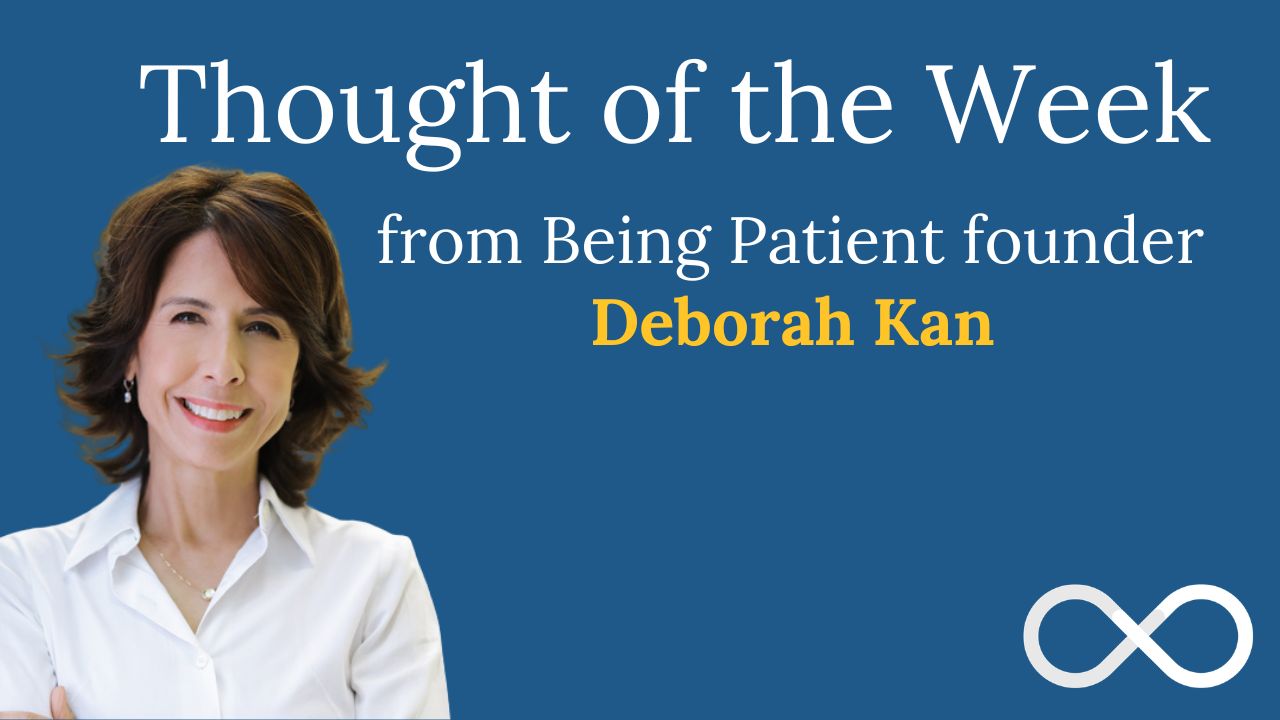
In a Thought of the Week column for Being Patient, journalist and founder Deborah Kan looks at a basic but important brain science question: what happens to the brain when people do not sleep. The piece is presented as part of her ongoing coverage of stories shaping the future of brain research.
The topic matters because sleep is closely tied to how the brain works from day to day. When sleep is missing, brain function can suffer in ways that affect attention, memory, judgment and emotional steadiness. That makes sleep deprivation more than a fatigue issue; it is also a brain health issue.
Kan’s focus reflects a broader trend in neuroscience coverage, where sleep is increasingly treated as a core part of cognitive performance and long-term brain wellbeing. The question is especially relevant because poor sleep is common, and its effects can show up quickly in work, learning and everyday decision-making.
By highlighting the subject in a regular brain science column, Being Patient points readers toward a larger conversation about how daily habits influence the brain. The central takeaway is straightforward: going without sleep can meaningfully disrupt how the brain operates.